
From the Archive: Tesco online
‘From the Archive’ is the regular column that revisits some of the more interesting retail stories covered over the past 30 years by Glynn Davis for a variety of publications.
This period covers many seismic structural changes in the industry including the emergence of the internet. Alongside the actual stories Glynn will be adding commentary around each of the pieces that will seek to put the articles into context with today’s landscape.
Subscribe to TRBFrom Retail Week (27 April 2001)
Tesco recognised the opportunity e-commerce presented pretty early on and it went online in 1997 to sell groceries when others remained sceptical of the potential of the internet. When I investigated how the company’s online operations had progressed in this 2001 article it was very impressively – as the side-heading suggested – become the “undisputed global king of online grocery retailing”.
It had achieved sales of £237 million for the year to end-February 2001, which represented a serious uplift on the £59 million recorded over the previous 12 months. This had all come from a mere investment to date of £40 million, according to John Browett, then CEO of Tesco.com, who compared the online channel to an individual physical superstore that would cost £20 million to build and only ever likely bring in sales of £50 million annually.
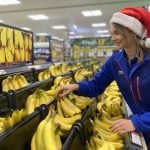
The online operation had grown from delivering online ordered goods from a single store in Osterley, West London, in 1997 to delivering from 240 Tesco stores in 2001, with employees picking goods from within the stores for delivery to customers living locally.
This tactic set Tesco apart from the competition who had each gone down the route of building dedicated warehouses to service online grocery orders. The in-store picking strategy was working well for the business. But Browett had an ongoing headache from the uncertainty he faced about when to press the ‘go’ button on opening such warehouses.
He had calculated that 1,000 orders could be fulfilled each week from the average store and above that it would negatively impact the operation of the stores for regular customers. In 2001 the stores were doing 300-500 per week so he had some headroom before any move might have to be made.
What is interesting is that Tesco never had to commit to building a portfolio of dedicated warehouses – and the other major grocers closed their sheds – even as its online sales continued to grow. In-store picking has served it well despite the fact it today generates impressive UK online revenues of around £6.5 billion. And it continues to increase this figure at impressive rates versus those achieved in-store.
Browett also recognised the opportunity from selling more non-food items online, which could not fit into Tesco’s physical stores. This ultimately led in 2006 to the launch of Tesco Direct that focused specifically on offering non-food goods. It built up plenty of traction but running it as a separate business away from the core grocery operation, with its inherent costs, meant it was perennially loss-making. The plug would eventually be pulled in 2018 and all non-food products transferred to the main Tesco website.
As I reported back in 2001, the online operation made a loss of £9 million, which was put down to the introduction of more non-food items on the website. However, the expectation was that it would move into profitability in 2002. Many things have changed since 2001 and Tesco’s online business is unrecognisable from what it was back in those early days of e-commerce but what persists has been the elusiveness of profits from selling groceries online.