

More Retail News

ASOS launches in India through partnership with Reliance Retail

Asda unveils new brand identity in summer campaign
Asda has unveiled a new brand identity with the launch of its summer campaign. The move follows extensive research and listening to understand how customers see... View ArticleView Article
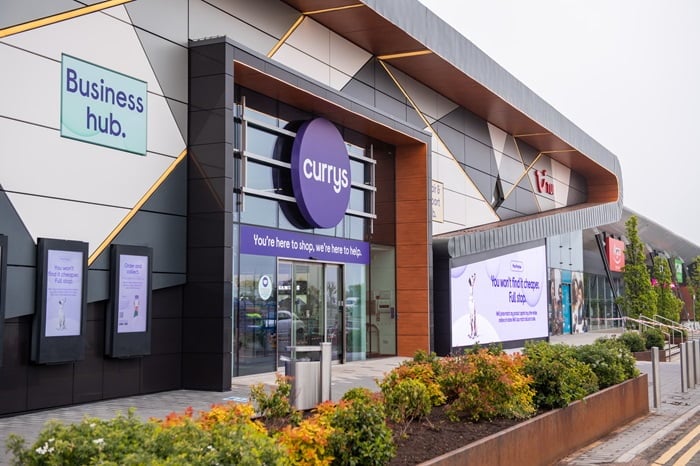
Currys to improve 65 stores to enhance the customer experience
Currys is to transform 65 of its stores across the UK as it looks to improve the customer experience. The shops will have around 90% of... View ArticleView Article
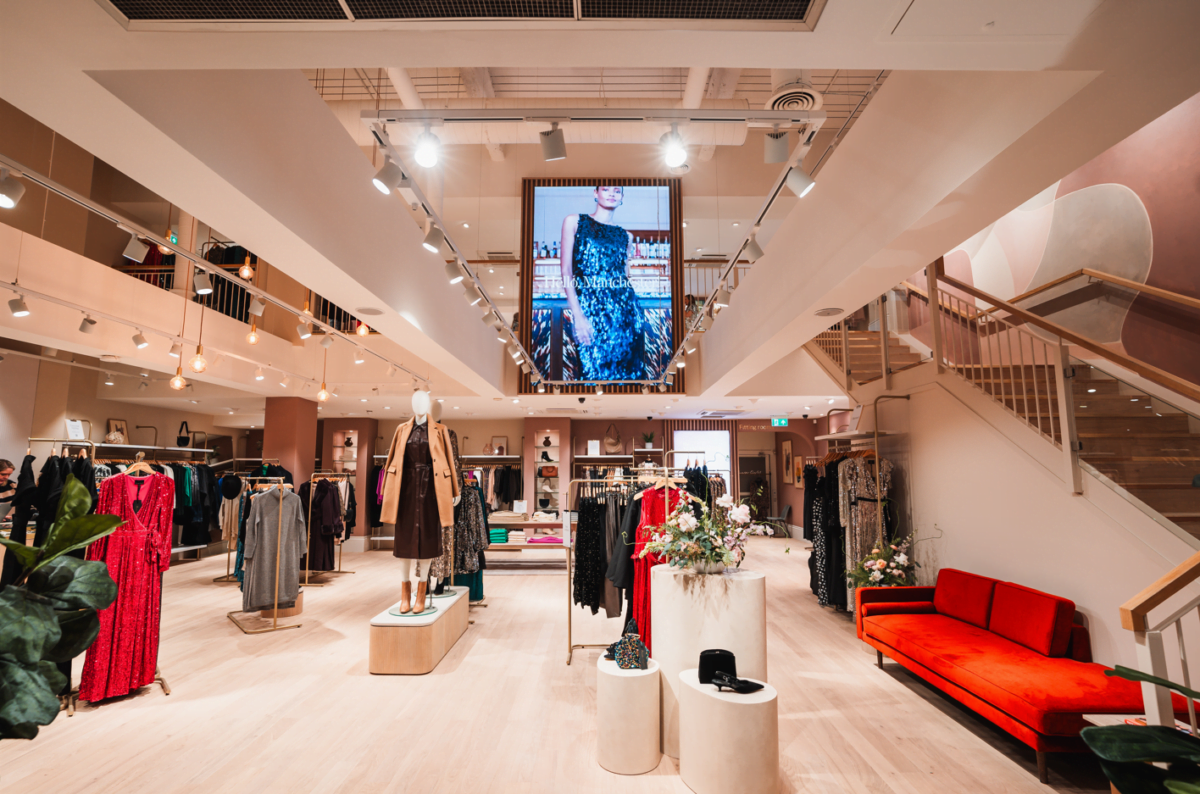
Phase Eight upsizes at Bluewater
Phase Eight is to open a new upsized store at Bluewater later this month after trading at the Kent shopping centre for 20 years. Spanning 2,499... View ArticleView Article

John Lewis appoints new director of fashion
John Lewis has appointed Rachel Morgans as its new director of fashion. With almost 30 years’ experience in the fashion industry, Morgans has previously held a... View ArticleView Article
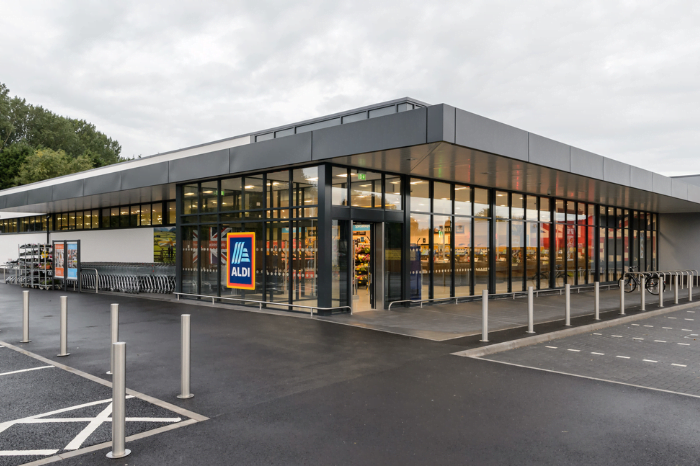
Aldi introduces recyclable butter packaging
Aldi will be switching to a new recyclable wrap packaging on two of its own-label butter lines from next month. The current non-recyclable packaging on Aldi’s... View ArticleView Article

Swyft agrees £10 million deal with Sleep Brands
The Swyft furniture brand has agreed a £10 million deal with Sleep Brands to fund its global expansion. The investment will be used to launch Swyft... View ArticleView Article
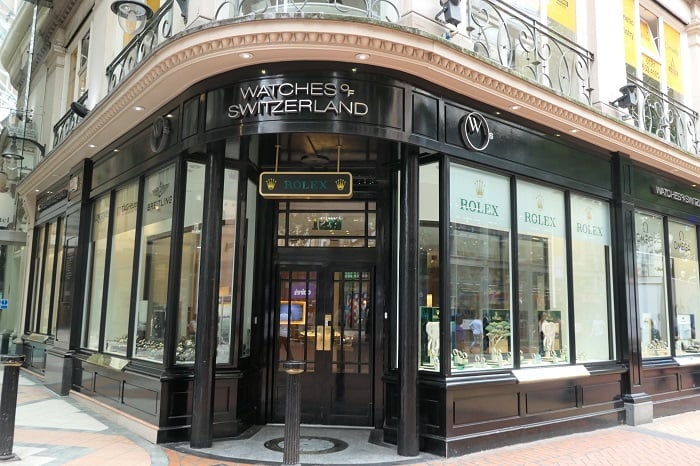
Watches of Switzerland "cautiously optimistic" about new financial year
Watches of Switzerland Group has seen its fourth quarter revenue increase by 3% to £380 million, or by 4% at constant currency, following strong demand for... View ArticleView Article
Superdrug to open 25 new stores this year
Health and beauty retailer Superdrug is to open 25 new stores in 2024 as it celebrates its 60th year on the UK high street. The expansion... View ArticleView Article
Primark unveils new and upsized store at Metrocentre
Primark has unveiled its new and upsized store at Gateshead’s Metrocentre. With the addition of 14,100 square feet on the ground floor, the shop now spans... View ArticleView Article

Dirtea appoints former Huel COO as chief executive
Functional mushroom brand Dirtea has appointed Grant Coetzee as its new chief executive. Possessing extensive experience in building global brands and consumer businesses, he previously worked... View ArticleView Article

T.M. Lewin launches international shipping
Menswear brand T.M. Lewin is expanding its customer base with the launch of international shipping. The brand will now be catering to customers in Australia and... View ArticleView Article

Zalando appoints new co-CEO as it adjusts the responsibilities of its management board
Zalando has announced that its co-founder David Schneider is to hand over his co-chief executive responsibilities to David Schröder who is currently working as the online... View ArticleView Article

Ironmongery Direct appoints new managing director
Manutan Group’s Ironmongery Direct has appointed Dave Coulson as managing director. Coulson previously held the position of chief executive at three private equity-backed businesses, and was... View ArticleView Article
The Perfume Shop to open new experiential store in Edinburgh
The Perfume Shop is to open a new and improved experiential store in Edinburgh’s St James Quarter on 17 May. Featuring a new layout, the shop... View ArticleView Article
Focus on supply chains supports provenance strategies
Focusing strongly on provenance and greater control over the supply chain including moves towards introducing vertical integration are proving critical components of a growing number of... View ArticleView Article
Currys sales return to growth
Currys has said it made a strong finish to its financial year as group like-for-like sales returned to growth with an uplift of 2% in the... View ArticleView Article
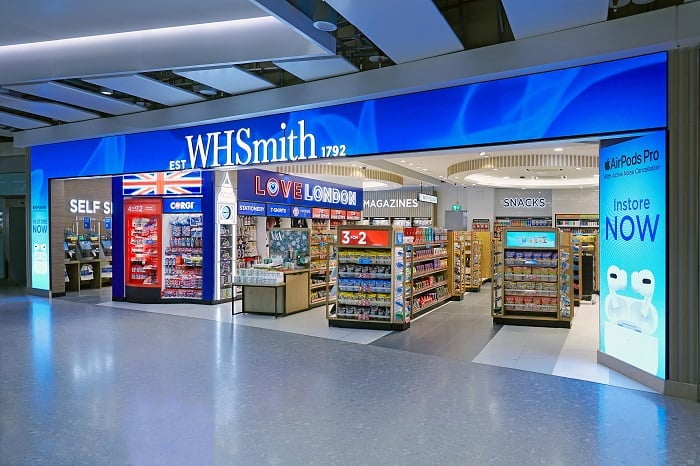
WH Smith launches new food range under ‘Smith's Family Kitchen’ brand
WH Smith has launched its first ever own-brand food range as it looks to meet the needs of today’s travelling customers. The Smith’s Family Kitchen food-to-go... View ArticleView Article

Crew Clothing to open new Canterbury city centre store
Premium lifestyle brand Crew Clothing is to launch a new high street store in Canterbury. Situated in the city’s Whitefriars shopping centre, the 112 square foot... View ArticleView Article
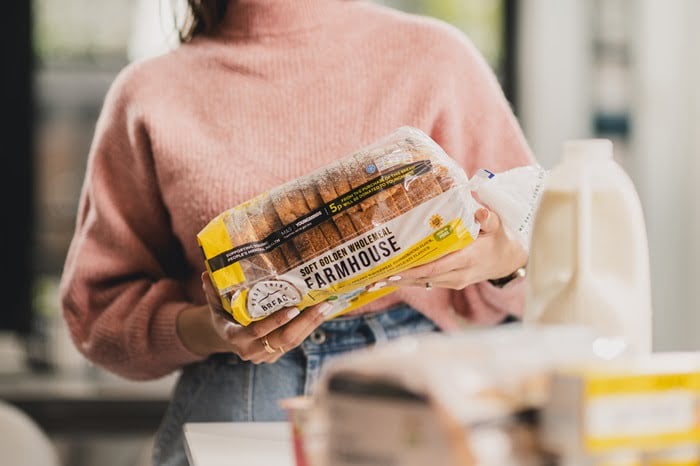
Marks & Spencer to donate 5p from sale of every Farmhouse loaf to Young Minds
Marks & Spencer has announced that it will donate 5p from the sale of every loaf in its Farmhouse loaf range to Young Minds, the UK... View ArticleView Article
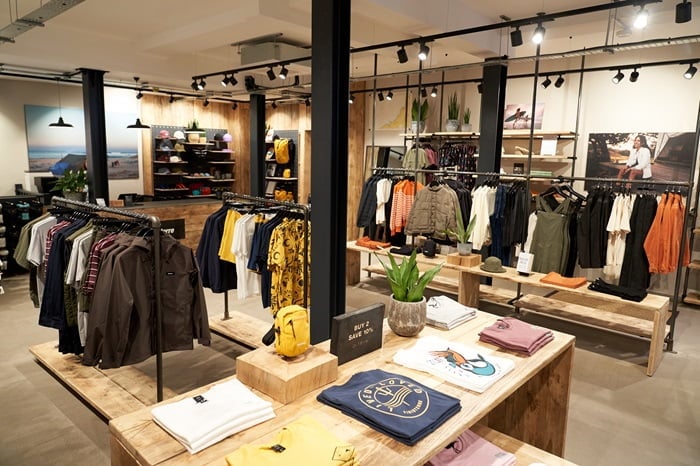
Finisterre upsizes to larger store in Covent Garden
Finisterre has opened a new flagship store in London’s Covent Garden in an 80% upsize in the shopping district. Spanning 2,702 square feet, the shop at... View ArticleView Article
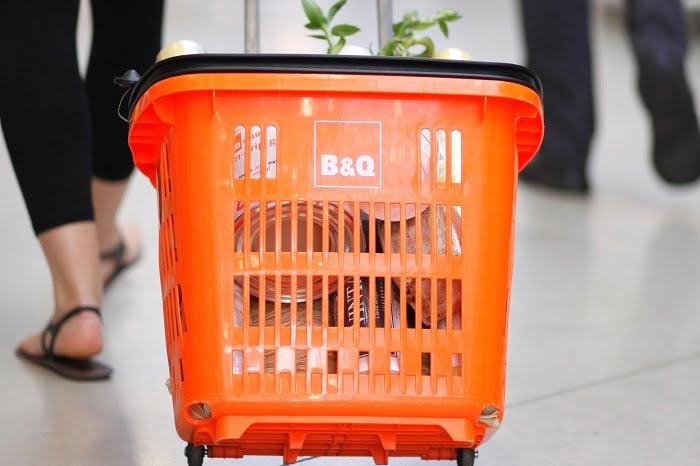
B&Q on track for 100% responsible sourcing of wood and timber in 2024
Home improvement retailer B&Q has said it responsibly sourced 99.3% of its timber and paper products in 2023 as it looks ahead to reaching its target... View ArticleView Article

Huddled Group says Discount Dragon has delivered solid growth post-acquisition
Huddled Group has said its Discount Dragon business has delivered solid growth since it was acquired by the group last October. In its full-year results announcement... View ArticleView Article

Asda unveils plans for significant mixed-use redevelopment at Park Royal
Asda is partnering with Barratt London on a proposal for a mixed-use redevelopment of its ten-acre site in Park Royal which is home to an Asda... View ArticleView Article

The Very Group appoints Nadhim Zahawi as non-executive chair
The Very Group has appointed YouGov founder, MP for Stratford-on-Avon and former senior Government Minister Nadhim Zahawi as non-executive chair and board member. Due to stand... View ArticleView Article
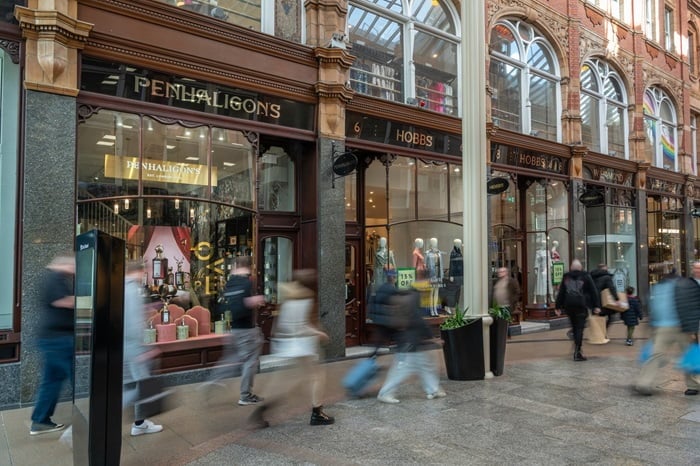
Le Labo to make regional debut at Victoria Leeds
Perfumerie brand Le Labo is to make its regional debut in Leeds with the opening of a new store at Victoria Leeds. Set to launch in... View ArticleView Article
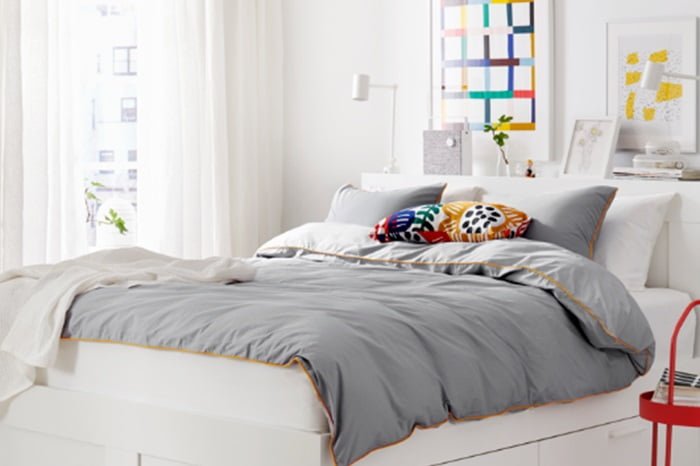
Ikea pushes back opening of Oxford Street store until 2025
Ikea has pushed back the opening date of its new store in London’s Oxford Street to the spring of 2025. The retailer said its seven-floor renovation... View ArticleView Article
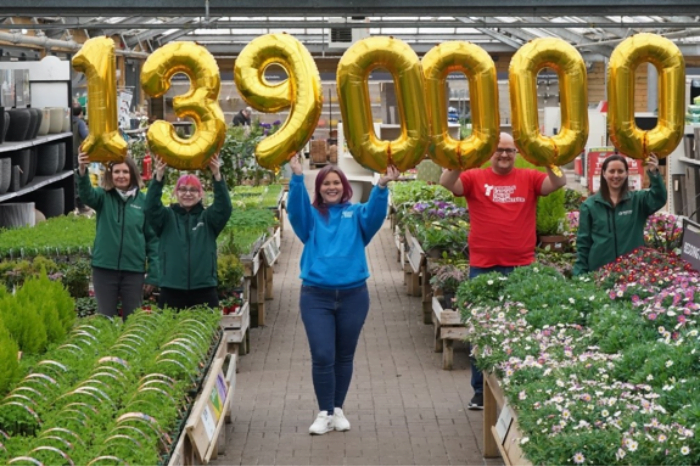
Dobbies raise £1.39m for teenagers and young adults living with cancer
Dobbies, the UK’s leading garden centre retailer, has made a donation of £110,000 for funds raised in the last year, to its National Charity Partner, Teenage... View ArticleView Article
![[Responsible business] Corporate Sustainability Due Diligence Directive incoming for retail sector](https://www.theretailbulletin.com/wp-content/uploads/2024/05/Irwin-Mitchell-1.png)
[Responsible business] Corporate Sustainability Due Diligence Directive incoming for retail sector
On 24 April, the Corporate Sustainability Due Diligence Directive was approved by the EU parliament. In this article Irwin Mitchell’s Aaron Ford, Jane Anderson and Katie... View ArticleView Article
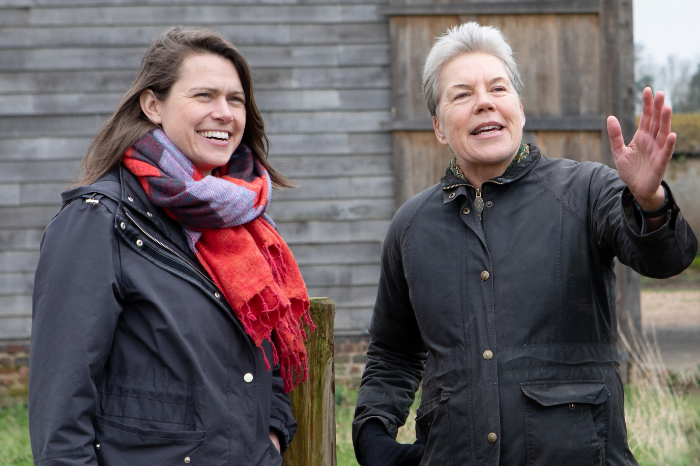
Ocado Retail and Soil Association to establish five nature-friendly demo farms
Nature and climate-friendly food production is set to be demonstrated at five UK farms in a new project with online supermarket Ocado and the Soil Association... View ArticleView Article
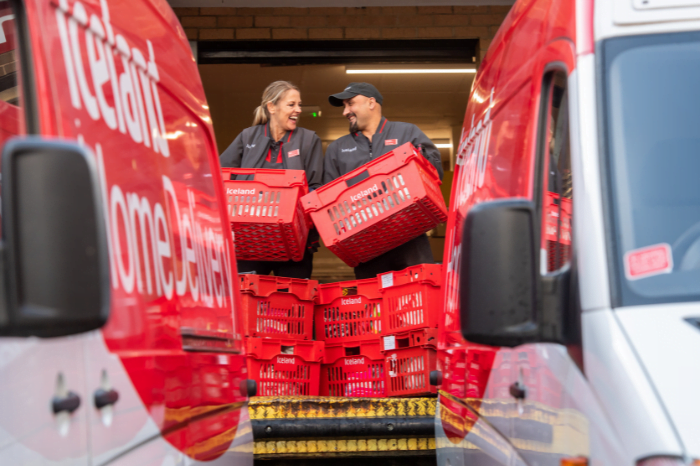
Iceland named best supermarket to work for in UK
Iceland Foods has been announced as one of The Sunday Times Best Places to Work in 2024. The prestigious annual list recognises organisations with the highest employee... View ArticleView Article
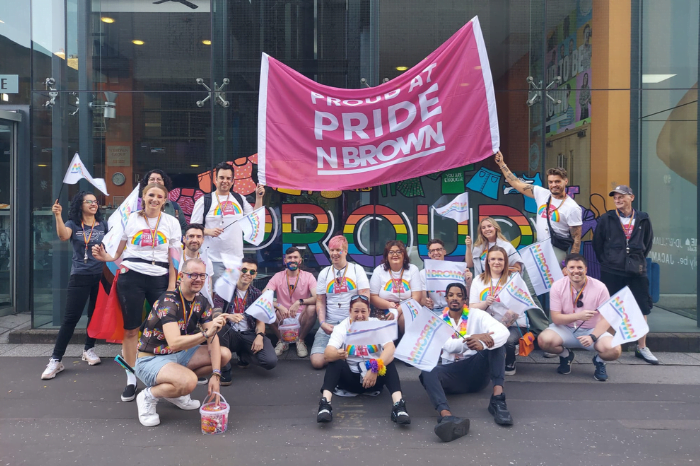
N Brown named one of The Sunday Times Best Places to Work 2024
N Brown Group, the inclusive fashion and homeware digital retail platform, has been named one of The Sunday Times Best Places to Work 2024. This is... View ArticleView Article

Lidl increases pay rates for third time in 12 months
Lidl GB is increasing its pay rates for the third time in 12 months. In a £2.5 million investment, the supermarket is raising pay for hourly-paid... View ArticleView Article

Mothercare posts drop in sales as it begins refinancing discussions
Mothercare has seen a 13% decline in its net worldwide retail sales by franchise partners to £281 million. In a pre-close trading update for the 53... View ArticleView Article
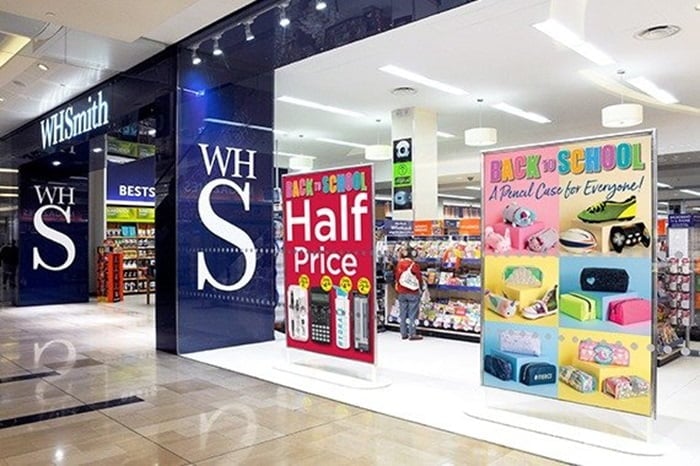
WH Smith to bring Toys”R”Us shop-in-shops to a further 30 UK locations
WH Smith has signed an exclusive agreement to open a further 30 Toys”R”Us shop-in-shops in its stores this summer. The news follows the toy brand returning... View ArticleView Article
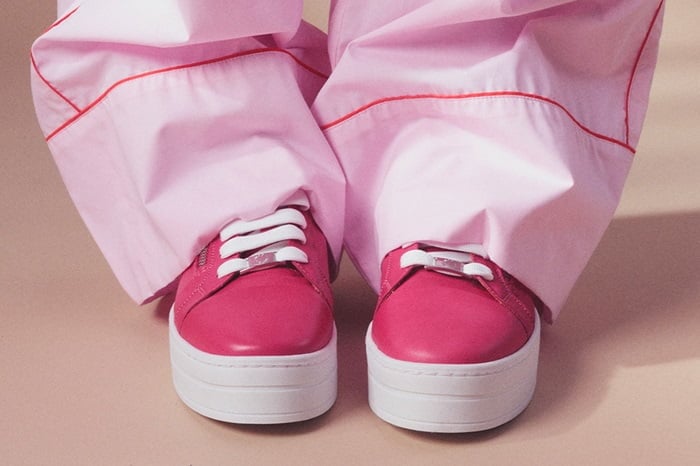
Moda In Pelle launches biannual Pink Ribbon event in support of breast cancer awareness
Footwear brand Moda In Pelle has launched its biannual Pink Ribbon event as it looks to raise funds for breast cancer awareness and support. The company... View ArticleView Article
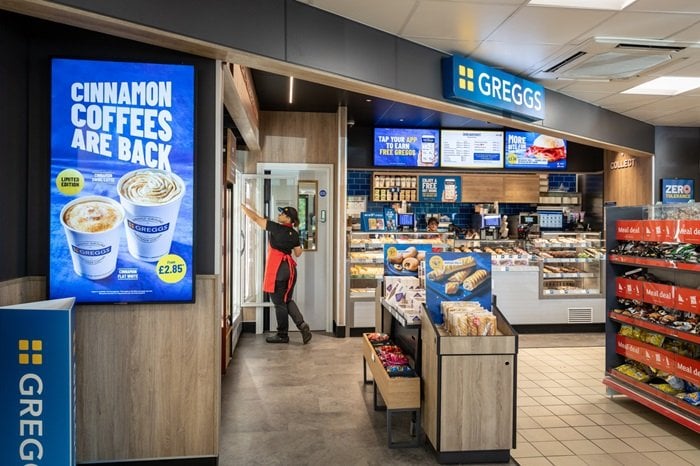
Greggs hits 2,500 store milestone
Food-on-the-go retailer Greggs has reached a significant milestone in its estate expansion strategy with the opening of its 2,500th UK shop in Sainsbury’s Bridgeway in Cobham.... View ArticleView Article

Hera launches eight week pop-up at Fenwick
Online clothing brand Hera has launched an eight week pop-up in three Fenwick department stores. Shoppers will be able to purchase the brand’s menswear and womenswear... View ArticleView Article
The Range upgrades click & collect service to make orders available from 60 minutes
The Range has upgraded its free click & collect service by offering customers in-store collection in as little as 60 minutes. The service is being made... View ArticleView Article

MADL launches latest Heart of the Community initiative to support brighter futures for children
Nisa’s Making a Difference Locally (MADL) charity has launched its 8th round of the Heart of the Community initiative. This round aims to brighten the futures... View ArticleView Article

Wickes see growth in gardening projects benefiting mental health
In recognition of Mental Health Awareness Week, Wickes reflects on the impact their Community Programme is having on wellbeing projects in schools and local community. Wickes... View ArticleView Article

Accessorize brings a brand-new home concept to Harrogate
Accessorize is excited to announce the grand reopening of its new accessories, gifting, and homeware store at 20-22 James St, Harrogate HG1 1RF, introducing a fresh... View ArticleView Article
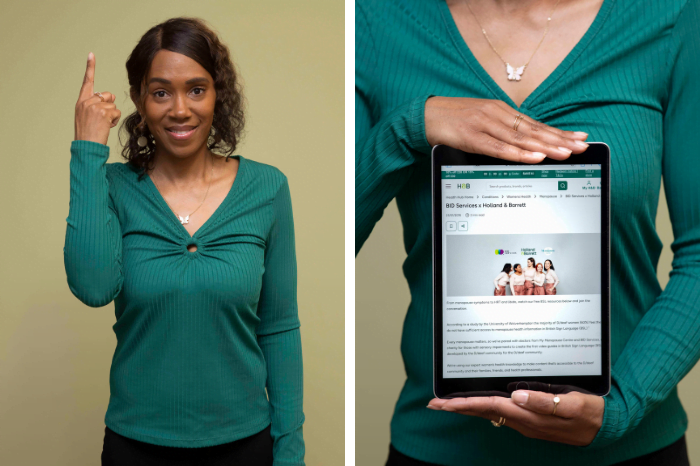
Holland & Barrett and partners develop first official guide for sign language and the menopause
Holland & Barrett has worked with My Menopause Centre and BID Services, a charity specialising in enabling and empowering people with sensory impairments, to create the... View ArticleView Article
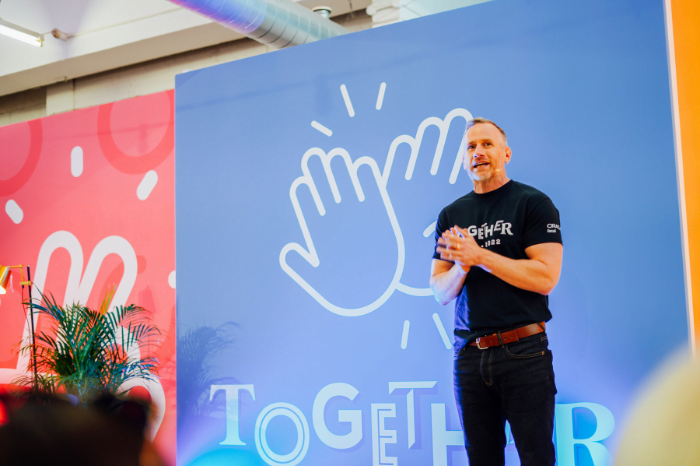
Trust issues: why the Retail Trust is uniting retail workers during Mental Health Awareness week
By Chris Brook-Carter, chief executive of the Retail Trust Next week is Mental Health Awareness Week and to mark the occasion, we’re bringing together more than... View ArticleView Article
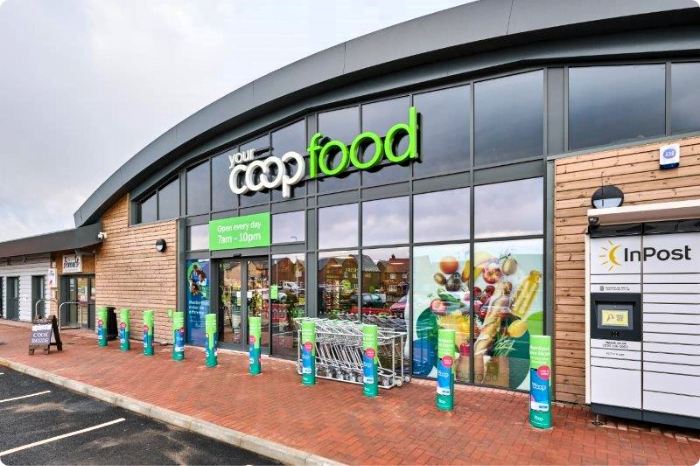
Midcounties Co-op celebrated for exemplary responsible business practices
The Midcounties Co-operative has been recognised for its continual focus on being a responsible business, whether that be looking to reduce its carbon footprint or help... View ArticleView Article
Watches of Switzerland boosts luxury portfolio with acquisition of Roberto Coin
Watches of Switzerland Group has acquired luxury jewellery brand Roberto Coin for $130 million. Founded in the Italian city of Vicenza, the company designs and manufactures... View ArticleView Article
Ocado appoints Gavin Patterson as non-executive director
Ocado Group has announced that Gavin Patterson will join its board as a non-executive director from 1 June. Patterson was chief executive of BT from 2013... View ArticleView Article

Cocoon Club hires new chief executive
Cocoon Club, the luxury handbag membership business, has appointed Kate Rand as its new chief executive. The news comes as the company looks ahead to a... View ArticleView Article

Marks & Spencer announces major store expansion at Fosse Park
Marks & Spencer is to expand its store at Fosse Park by taking an adjacent vacant unit. The retailer will be increasing the size of the... View ArticleView Article

Leon launches frozen range into Morrisons as it increases its grocery distribution by 36%
Leon Grocery is to launch a gluten-free frozen range into Morrisons later this month. The naturally fast food brand will be introducing its GFC Nuggets, Waffle... View ArticleView Article

Primark to join line-up at Epsom's Ashley Centre
Primark will be joining the line-up at Epsom’s Ashley Centre early next year. The scheme is currently undergoing a £7 million refurbishment which includes works to... View ArticleView Article

ProCook appoints Claire Tait as marketing director
ProCook has appointed former Joules executive Claire Tait as marketing director. Tait worked for eight years at Joules in a variety of leadership positions, including customer... View ArticleView Article

Comment: counting the cost of instant gratification
The one question I have about the announcement that fast delivery firm Getir is to exit the UK, is what took it so long? The model... View ArticleView Article

Boohoo upbeat about return to growth
Boohoo is remaining upbeat about its prospects for a return to growth despite a drop in full year sales and adjusted EBITDA. In the year to... View ArticleView Article
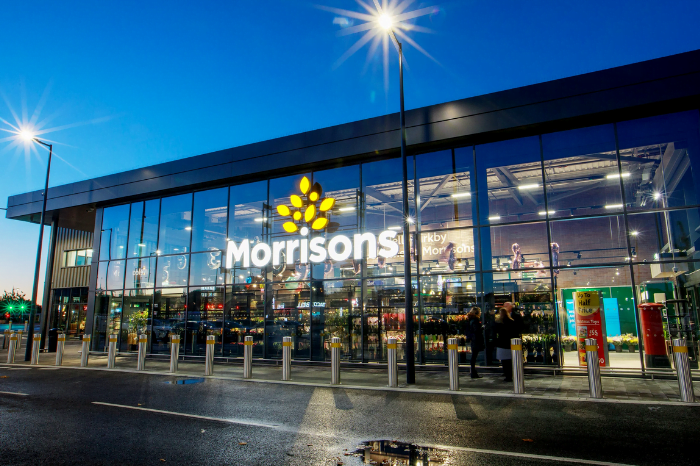
Morrisons acquires 38 convenience stores in the Channel Islands
The Morrisons supermarket chain has acquired 38 stores in the Channel Islands from its long-term partner Sandpiper. The purchase also includes six fuel forecourts. All of... View ArticleView Article
Carpetright to cut around 70 jobs as part of restructure
Carpetright is to make a 25% reduction in the number of jobs across its central support centre and field management teams. With the restructuring expected to... View ArticleView Article
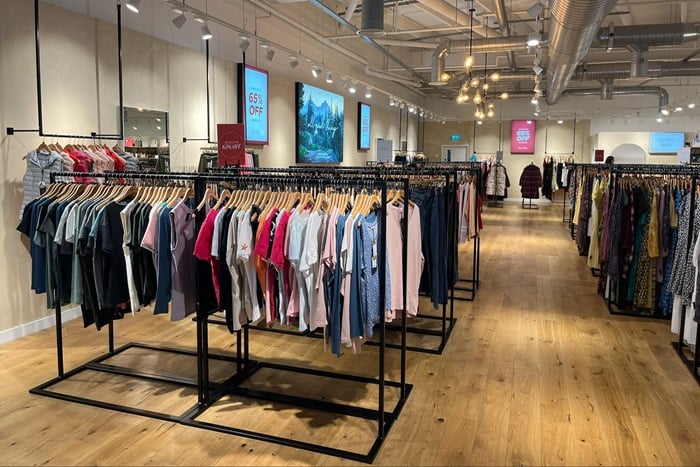
All Good Things makes London debut at Outlet Shopping at The O2
All Good Things, the sustainable designer outlet store, has chosen Outlet Shopping at The O2 for the launch of its debut London shop and first in... View ArticleView Article

Q&A: Phil Smith, Director of Loss Prevention at Extenda Retail
Phil has over 25 years of experience in the retail industry, working for brands such as Virgin and Disney heading up the Risk and Loss Prevention... View ArticleView Article
![[Interview] A day in the life of... entrepreneur Samantha Johnson](https://www.theretailbulletin.com/wp-content/uploads/2024/05/Samantha-Avalon.png)
[Interview] A day in the life of... entrepreneur Samantha Johnson
Revitalising craftsmanship: Samantha Johnson’s visionary approach to local retail manufacturing post-COVID As an industry, we’re still reeling from the ripple effects of the pandemic and the... View ArticleView Article
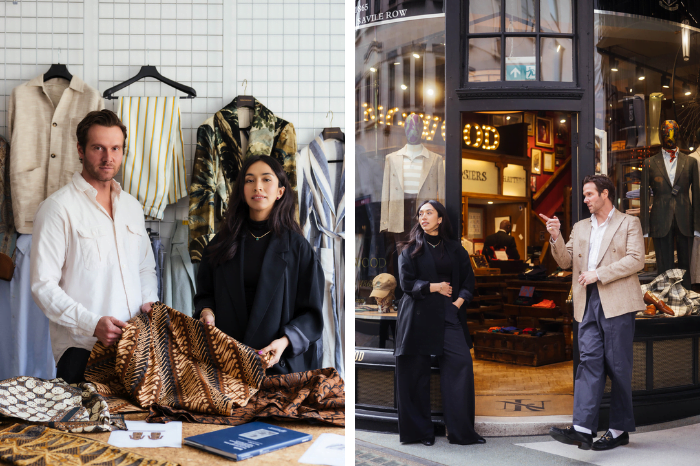
New & Lingwood and Lisa King unveil capsule collection
British luxury menswear brand New & Lingwood is delighted to announce a collaboration with London-based multidisciplinary artist and designer Lisa King. Together, they have created a... View ArticleView Article
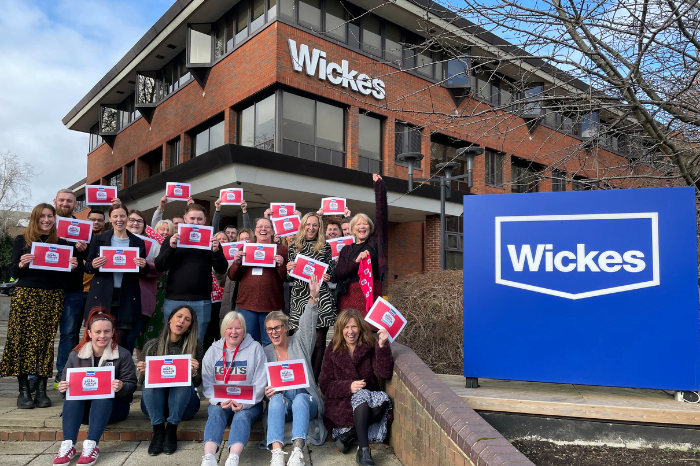
Wickes' partnership with The Brain Tumour Charity surpasses £1 million in first year
Wickes and The Brain Tumour Charity are celebrating an incredible landmark sum after collaborating on a series of fundraising missions across its 230 stores and digital... View ArticleView Article

Johnstons of Elgin honoured with the King’s Award for enterprise in international trade
Johnstons of Elgin, the renowned Scottish cashmere and fine woollens producer, has been awarded the prestigious King’s Award for Enterprise, recognising its exceptional performance in international... View ArticleView Article
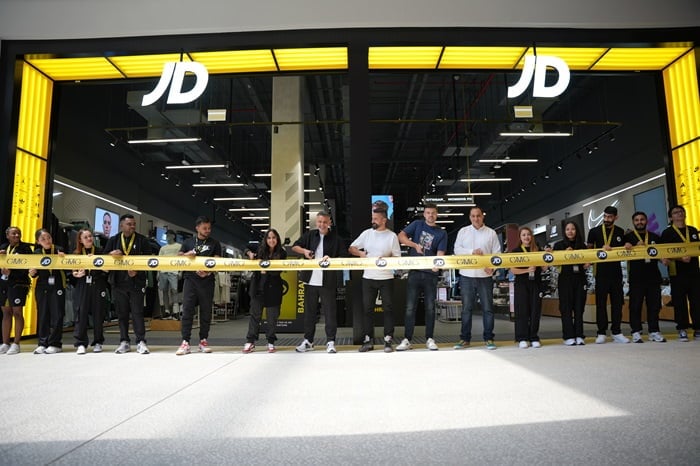
JD Sports expands in Middle East with new store in Bahrain
JD Sports has expanded into the Middle East with the opening of a new store at Bahrain’s beachfront shopping destination, Marassi Galleria Mall. Launched under a... View ArticleView Article

Zalando posts improved profitability in first quarter
Zalando has confirmed its full year guidance as it announced growth in its first quarter gross merchandise volume and profitability. The German online fashion retailer said... View ArticleView Article

Tala expands into physical retail through Selfridges partnership
Athleisure brand Tala is expanding into physical retail through an all-store partnership with Selfridges. From 10 May, the brand will be available to purchase across Selfridges department... View ArticleView Article
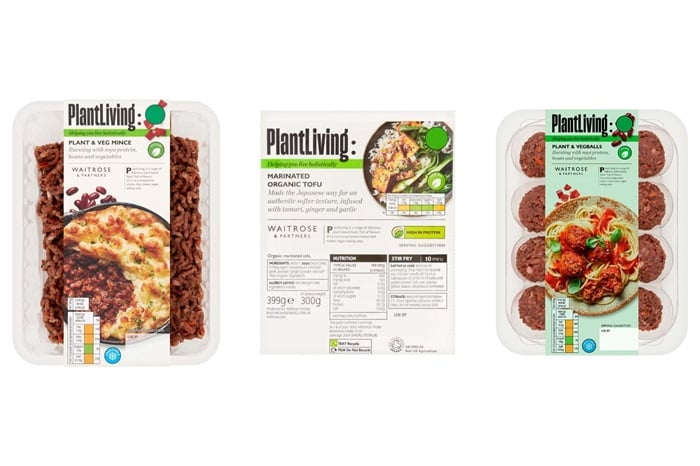
Waitrose launches new Plant Living products to cater to rising flexitarian eating habits
Waitrose has launched 12 new Plant Living products as it looks to cater to rising flexitarian eating habits amongst its customers. The move comes as new... View ArticleView Article
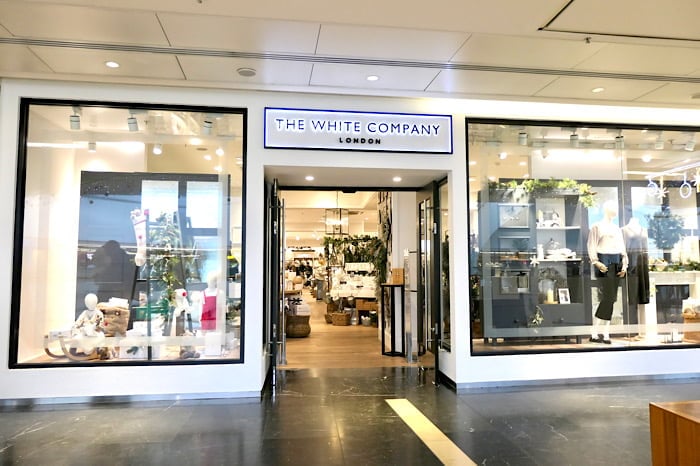
The White Company sales boosted by strong in-store performance
The White Company has announced an uplift in sales for last year despite a challenging economic backdrop affecting its market. In its latest accounts covering the... View ArticleView Article
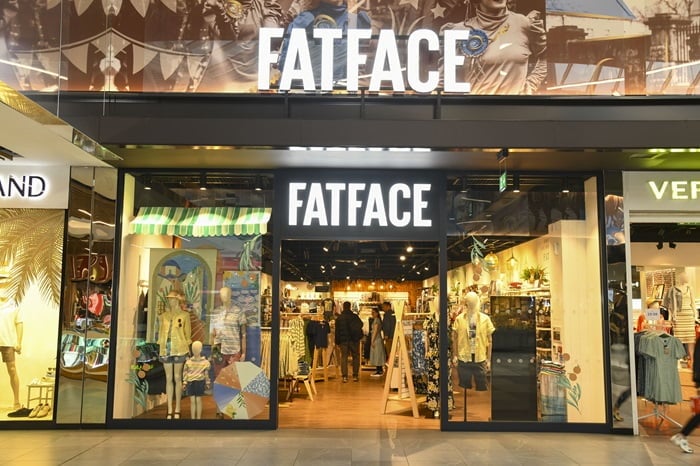
FatFace chooses Blanchardstown for first new full price store in Ireland for 14 years
FatFace has opened its first full price Irish store in 14 years at Dublin’s Blanchardstown Centre. The shop has added to the fashion brand’s existing portfolio... View ArticleView Article
![[Interview] A day in the life... Veena McCoole of Postcode Pours](https://www.theretailbulletin.com/wp-content/uploads/2024/05/Postcode-Pours.png)
[Interview] A day in the life... Veena McCoole of Postcode Pours
Meet Veena McCoole, founder of Postcode Pours, who shares with us how the lockdown inspired her to start a business crafting personalised candles that celebrate personal... View ArticleView Article
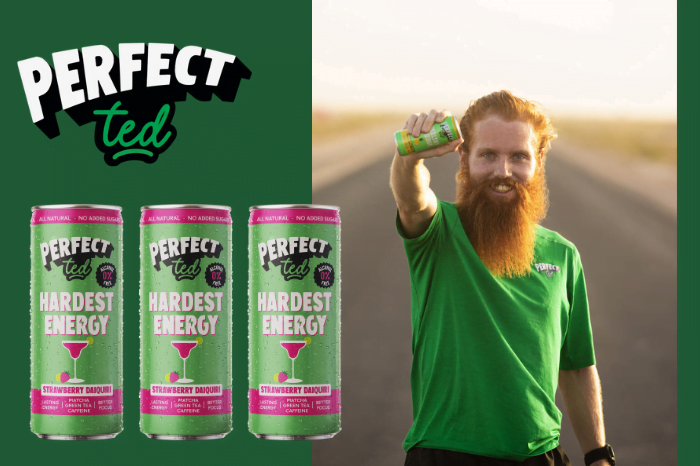
PerfectTed teams up with 'Hardest Geezer' Russ Cook to launch charity-driven energy drink
PerfectTed has announced a collaboration with extreme athlete and social media personality Russ Cook, known as the Hardest Geezer. Together, they have launched a new Strawberry... View ArticleView Article

WiHTL & Diversity in Retail announce impact on 4 million employees in milestone achievement
WiHTL & Diversity in Retail, the premier Collaboration Community focused on enhancing equity, diversity, and inclusion within the Hospitality, Travel, Leisure, and Retail sectors, today celebrated... View ArticleView Article
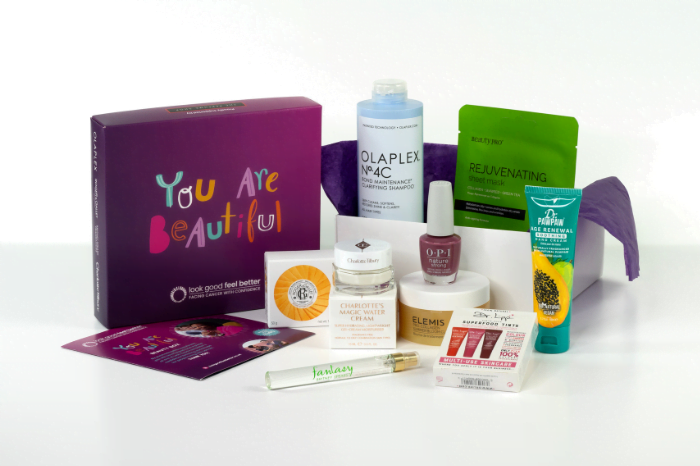
Look Good Feel Better and The Perfume Shop launch charity beauty box
In celebration of their 30th anniversary, the cancer support charity Look Good Feel Better UK has partnered with The Perfume Shop to launch a unique, limited... View ArticleView Article
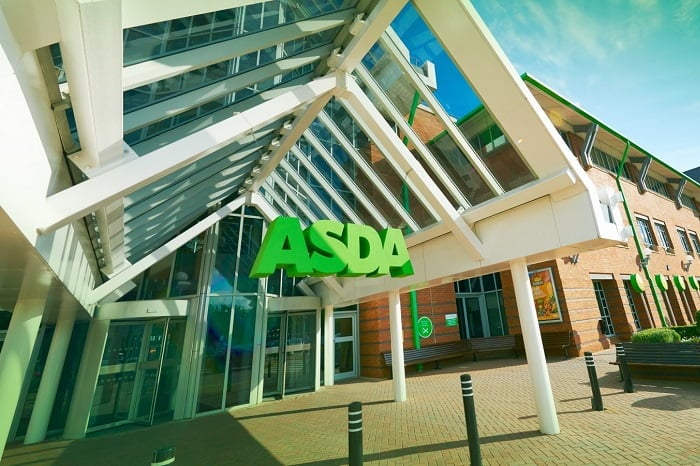
Asda refinances £3.2 billion of debt
Asda has announced that it has refinanced more than £3.2 billion of its debt. Completed on 2 May, the deal has pushed the majority of the... View ArticleView Article
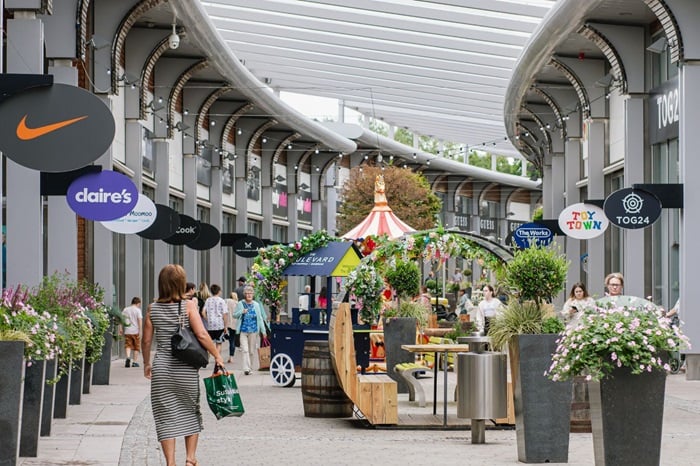
Radley to return to Northern Ireland with store at The Boulevard
Radley is to make a return to Northern Ireland with the opening of a new store at The Boulevard designer outlet scheme. Due to launch on... View ArticleView Article
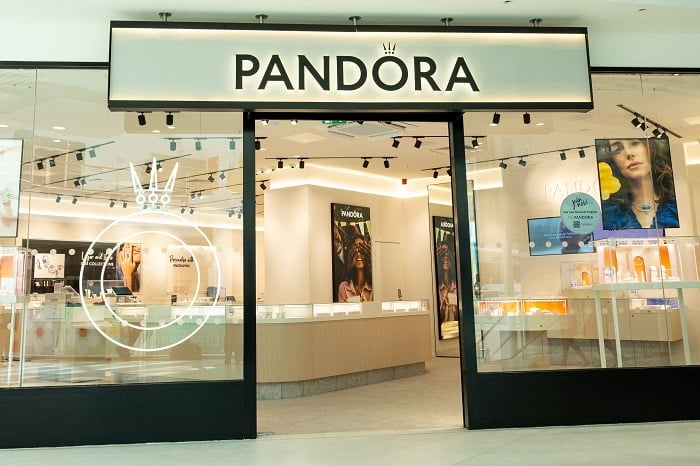
Pandora ups full year revenue guidance
Pandora has upgraded its full year revenue guidance after its first quarter revenue increased by DKK 1 billion compared to the same period in the previous... View ArticleView Article
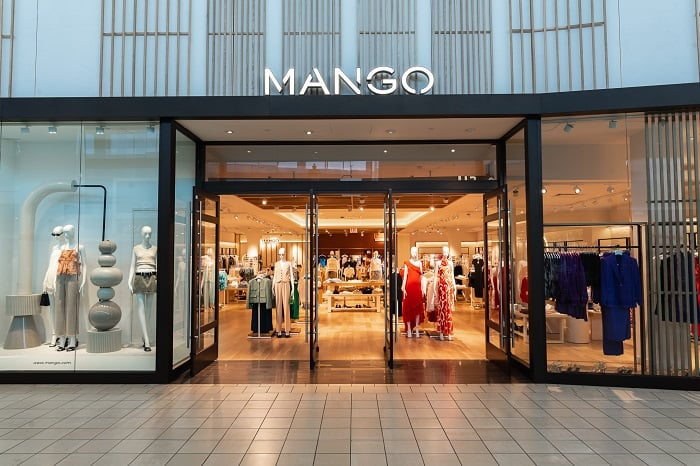
Mango to open more than 20 new stores in the UK this year
Mango is planning to open more than 20 new stores in the UK this year with growth mainly focused on London and Scotland. The Spanish fashion... View ArticleView Article
Asda invests £70 million in cutting prices of essential items
Asda is investing £70 million in cutting the prices on 126 essential items. The supermarket said prices will be reduced by an average of 11%, with... View ArticleView Article
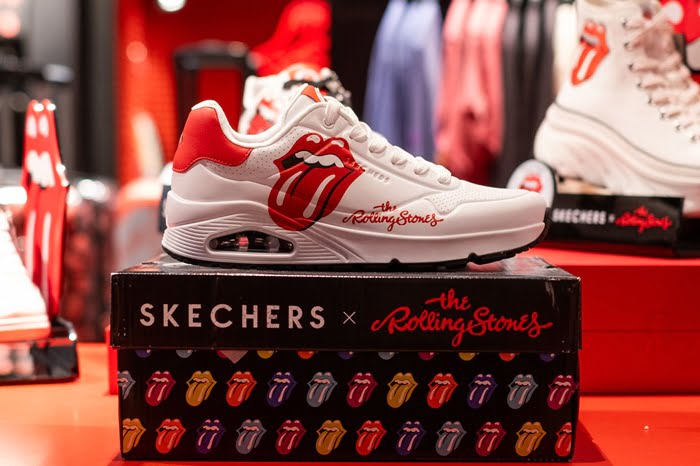
Skechers continues collaboration with the Rolling Stones
Skechers has collaborated with the Rolling Stones for a second year running on a footwear capsule collection. Now available at the Rolling Stones’ flagship store RS... View ArticleView Article
B&Q launches plastic plant pot recycling nationwide
B&Q has announced that it will be launching plastic plant pot recycling stations at over 100 of its stores across the UK in 2024. As part... View ArticleView Article

Burberry joins force with The Outward Bound Trust to inspire young people through adventure
Burberry has announced a partnership with outdoor education charity, The Outward Bound Trust, to give secondary school students across the UK greater access to outdoor learning... View ArticleView Article
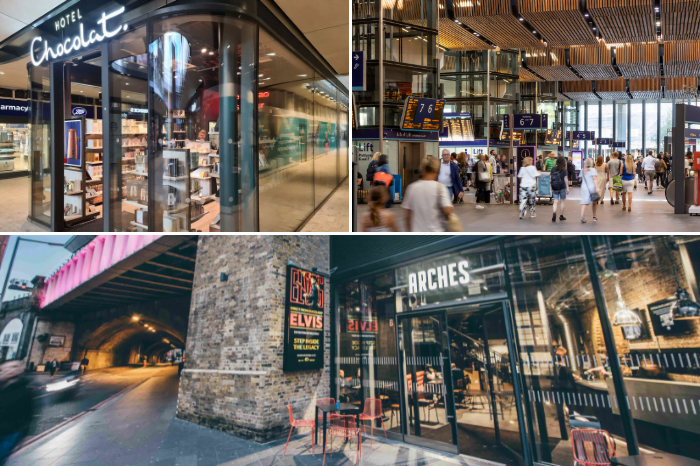
Network Rail retail sales hit £800m as stations become prime retail destinations
Network Rail announced that its retail sales surpassed £800m over the past 12 months across its portfolio of 19 managed stations in Great Britain. The company... View ArticleView Article
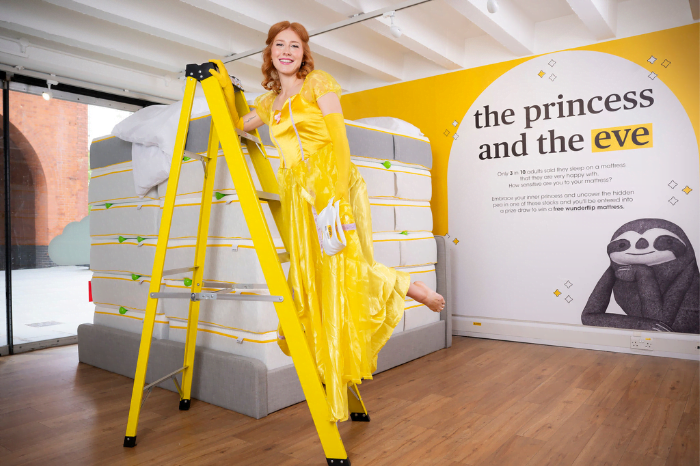
eveSleep launches interactive 'Bed battle, team firm vs team soft' experience in London
Online mattress brand eveSleep has today unveiled an innovative pop-up event in London’s Southbank to help consumers determine their ideal mattress firmness. The event, titled ‘Bed... View ArticleView Article
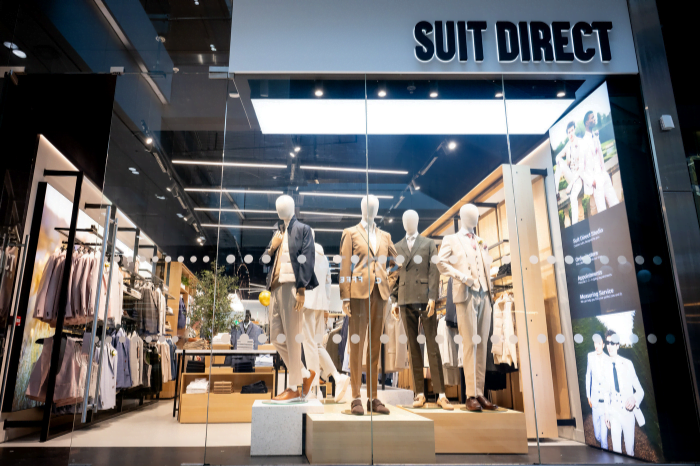
Suit Direct opens new flagship Westfield store as part of national expansion plan
Menswear fashion retailer Suit Direct has signed for a new flagship store at Westfield Shopping Centre, Stratford, London. International real estate advisor Savills, acting on behalf... View ArticleView Article
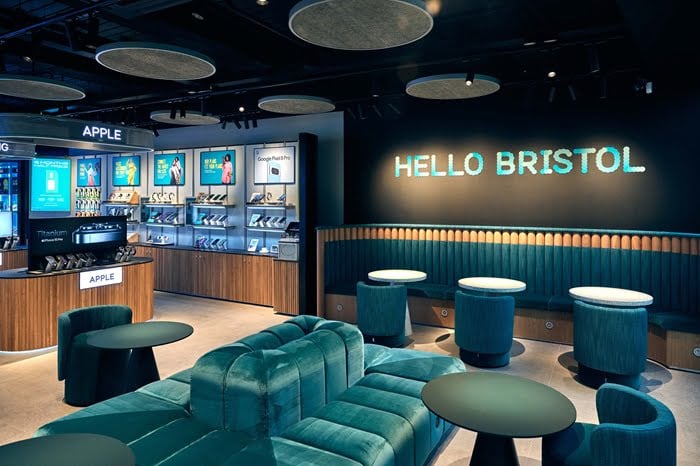
EE launches first Experience store in the South West
EE is launching its first Experience store in the South West of England at Bristol’s Cabot Circus. Part of a £6 million investment, the new shop... View ArticleView Article
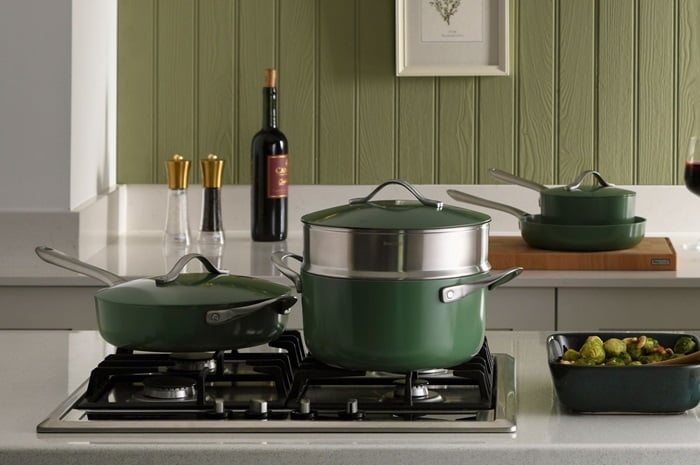
Meg Lustman to join ProCook as a non-executive director
Kitchenware brand ProCook has appointed Meg Lustman, the former chief executive of Hobbs, as a non-executive director. She will take up her new position on 25... View ArticleView Article
JD Sports non-executive director to step down
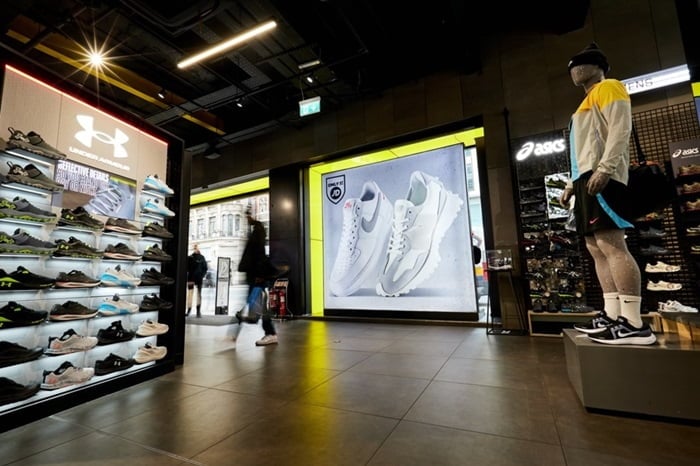
JD Sports has announced that its non-executive director Mahbobeh Sabetnia is to step down after being a member of its board for nearly two and a... View ArticleView Article

Waitrose launches exclusive Wildfarmed nature-friendly bread range
Waitrose has become the first retailer to partner with the Wildfarmed regenerative farming and food business as it launches a range of exclusive branded bread products... View ArticleView Article
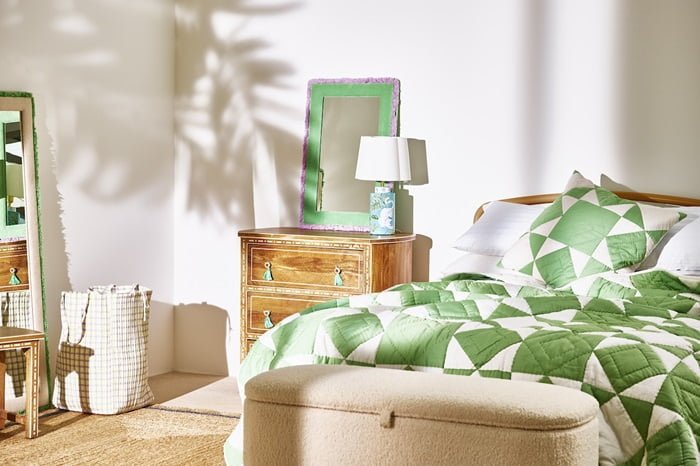
Oliver Bonas selects Angel Central for new Islington store
Lifestyle brand Oliver Bonas has selected Angel Central for the opening of a new store in London’s Islington. The 2,856 square foot space has been designed... View ArticleView Article
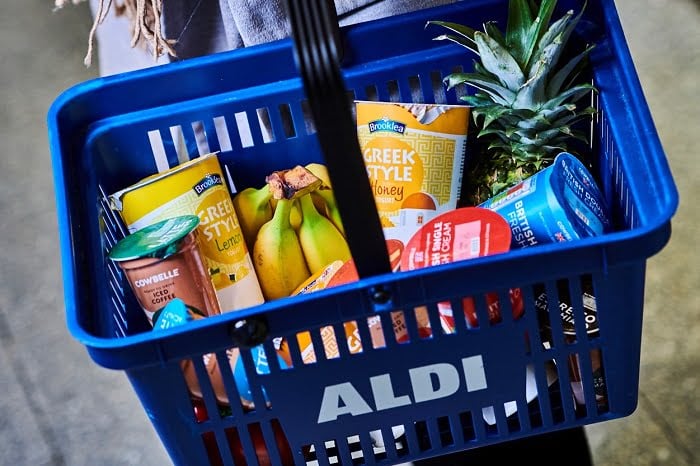
Aldi invites the public to help it identify locations for new stores
Aldi is calling on the public to help it identify prime locations for new stores. The areas which have the most suggestions will then be considered... View ArticleView Article
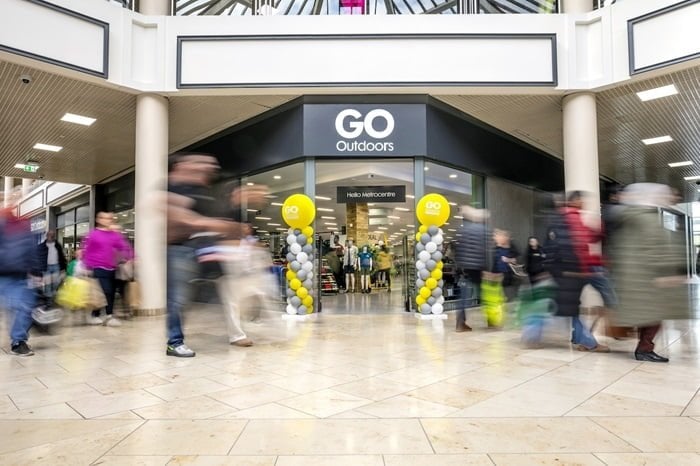
Go Outdoors opens 20,000 square foot store at Metrocentre
The Go Outdoors outdoor clothing and equipment retailer has opened a 20,242 square foot store in a former Wilko unit at Gateshead’s Metrocentre. The shop on... View ArticleView Article
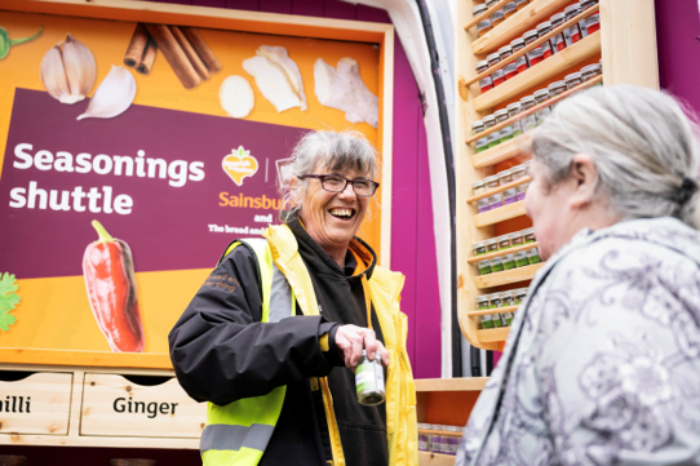
Sainsbury’s launches seasonings shuttle to spice up mealtimes for struggling UK households
New research from Sainsbury’s reveals that half of those struggling to afford food have lost the joy in mealtimes, saying they’re no longer excited by food... View ArticleView Article

Host of brands open revamped stores at Braehead
Braehead, one of the UK’s most popular retail and leisure destinations, owned by property company SGS and asset managed by Global Mutual in conjunction with Savills... View ArticleView Article

Q&A: Alex Hooper - Co-founder and CTO, Flare
Alex Hooper is the co-founder and CTO of Flare. He’s a self-taught software engineer and before Flare led engineering teams at prominent fintech startups across the... View ArticleView Article
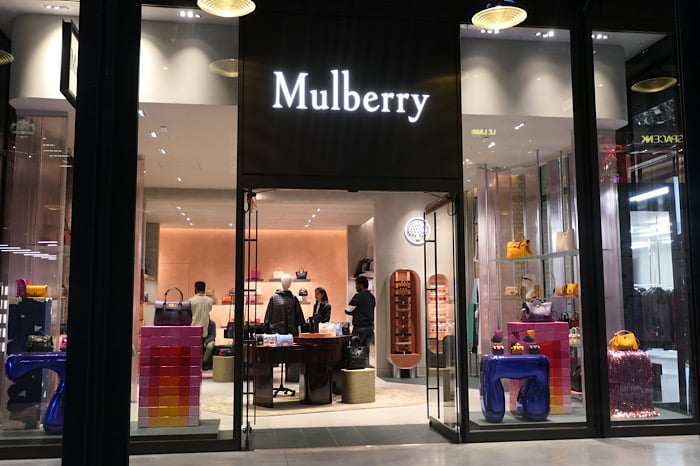
Mulberry sales hit by luxury downturn
Mulberry has announced that its full year group revenue has declined by 4% due to consumers cutting back on luxury spending. In a year-end trading update... View ArticleView Article
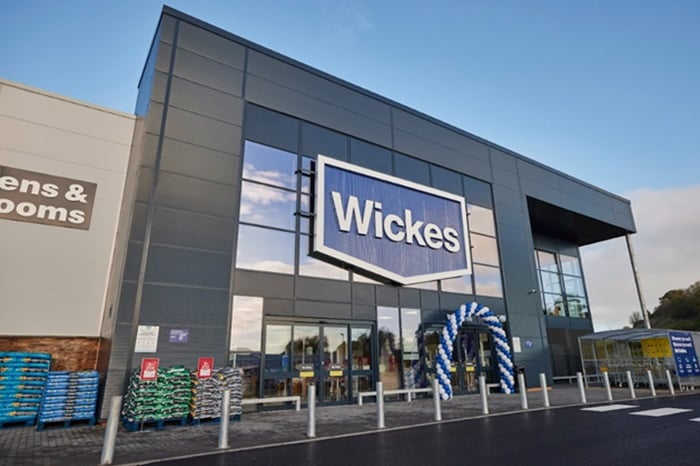
Wickes maintains full year profit guidance despite drop in sales
Home improvement retailer Wickes has maintained its full year profit guidance despite it posting a 4.2% decrease in like-for-like sales in the first 16 weeks. Retail... View ArticleView Article
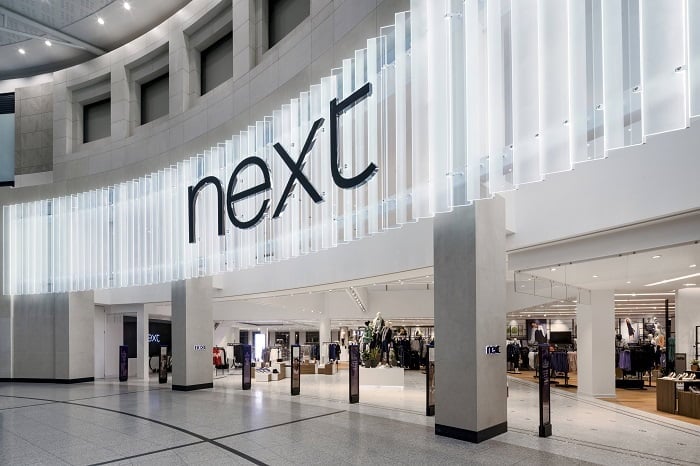
Next first quarter sales come in ahead of expectations
Next has announced that its full price sales have come in ahead of guidance in the 13 weeks to 27 April with a 5.7% increase year-on-year.... View ArticleView Article




THE NEXT EVENT