Why retail safety has become an operational priority
Retail safety can no longer be treated as a specialist issue that sits solely with health and safety or loss prevention teams.
It now affects the performance of the entire operating model, from colleague retention and store productivity to customer experience and brand trust.
That was one of the clearest themes to emerge from a private leadership roundtable hosted by The Retail Bulletin in partnership with Peoplesafe. Senior retail leaders described a working environment in which colleagues increasingly feel exposed, even where formal incident figures appear stable. This creates an important gap between what businesses record and what people experience.
Incident data does not tell the whole story
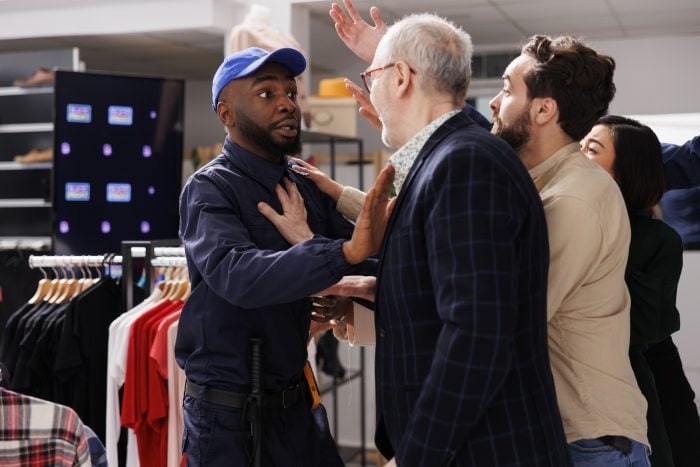
Formal reports remain essential, but they only capture events that colleagues choose or can report. They may not reveal the repeated low-level intimidation, aggressive behaviour or anxiety that changes how someone feels about a shift.
Retailers therefore need to measure perception as well as incidents. Regular surveys, store-level check-ins, and conversations with frontline teams can identify when and where colleagues feel most vulnerable. This should include opening and closing times, quieter trading periods, stockroom work, cash handling, and journeys to and from work.
When leaders understand the lived experience behind the data, they can make better decisions about staffing, store design, training and personal safety controls.
Leaner staffing models can increase exposure
Retailers are balancing cost pressure with the need to provide safe, responsive customer service. In smaller stores, or across larger footprints with fewer people present, colleagues may spend more time working alone or out of sight of immediate support.
The risk can become more pronounced during predictable quiet periods. Fewer people on the shop floor can leave an individual feeling exposed if anti-social behaviour, theft or aggression escalates. Adding headcounts are not always commercially viable, which means retailers need to think more carefully about how work is organised and how support is accessed.
This is why retail worker safety should be considered when labour models, opening hours, store layouts and task allocation are reviewed. Safety is not separate from operational planning. It is one of the conditions required for the model to work effectively.
Move from response to prevention
The strongest safety strategies do more than respond after an incident. They reduce the likelihood of escalation in the first place.
Retail leaders at the roundtable highlighted the value of visible customer engagement. Acknowledging customers when they enter, maintaining contact throughout the store journey and creating an active service presence can reduce anonymity and deter disruptive behaviour.
The right approach will vary by brand. A retailer focused on customer experience may use warmth and conversation as a deterrent, while a higher-risk environment may require more visible security controls. The objective is not to impose one model across every store, but to align safety measures with the customer proposition, risk profile and working environment.
Leadership visibility matters
Retail safety becomes more effective when responsibility is shared across operations, people teams, finance, loss prevention and health and safety. Board-level visibility helps ensure that colleague safety is considered alongside commercial performance rather than after decisions have already been made.
Reporting should combine incident numbers with colleague sentiment, training completion, usage of safety tools and recurring risk patterns. Platforms that help organisations proactively manage people risk can provide the visibility needed to identify gaps and act earlier.
The retailers best placed to respond are those treating safety as a strategic operating issue. When colleagues feel protected and supported, they are better able to focus on customers, deliver consistently and remain with the business. Protecting people is the right thing to do and fundamental to building a resilient retail operation.
………………………………………………………………………………………………
To find out more you can visit Peoplesafe here.