Conversation with… David Begg, founder of The Real Co.
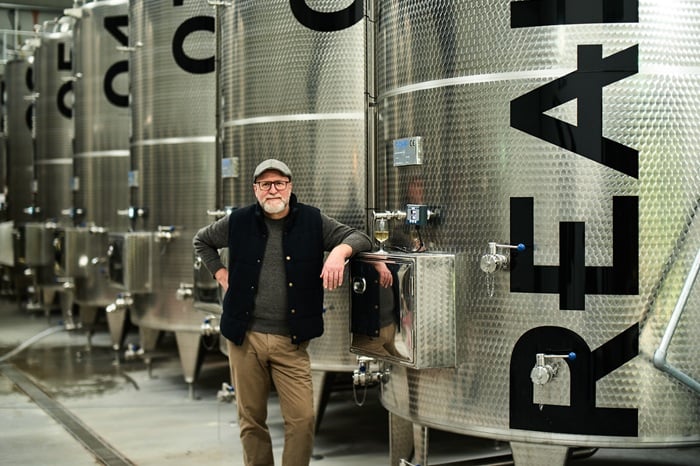
David Begg, founder of The Real Co., was inspired to launch his alcohol-free drinks brand after tasting a home brewed drink at a dinner party that he simply could not believe contained no alcohol. Here he talks about building the business from scratch, the rapid evolution of consumer attitudes towards alcohol-free drinks, and what brands and retailers need to do to drive the category forward.
What led you to start The Real Co. and what gap did you see in the non-alcoholic drinks market?
Subscribe to TRBIt didn’t start with a clear strategic gap. It began with loving a new drink. I first tasted a home brew at a friend’s dinner party and simply could not believe it was non-alcoholic. It had such complexity, such vibrancy. It tasted like a fermented alcoholic drink, somewhere between a craft beer and a scrumpy cider.
I took a culture home and started brewing on the kitchen counter with Silver Needle tea. From there it was an understairs cupboard, then a spare room, then the garage, and eventually we built a microbrewery. When I put silver needle tea in the pot, the purest, most delicate tea you can use, it gave me vanilla, rose and almond notes more exquisite than any champagne I’d ever tasted. It still remains my go-to.
The background to all of this is that I stopped drinking alcohol in 2014. I wasn’t a heavy drinker, I loved wine and whisky, but even a couple of glasses left me fuzzy-headed in the morning. When I stopped, I was still going to the pub and nursing a half lager just to have something in my hand, because there was nothing else worth drinking. Alcohol-free beers were poor, and I was never going to start drinking juices while everyone else was enjoying a great bottle of wine. That was the gap.

What has it been like building the brand from scratch?
Turbulent. The country has gone through some particularly difficult times. We launched at the end of 2017 and within 12 to 18 months we were in almost 50 Michelin-starred restaurants. I’ve never seen a product get that kind of uptake.
My co-founder Adrian and I would load up the car or van, knock on the doors of top restaurants and say: give me two minutes — if you don’t love what I serve you, we’ll walk away. Seventy-five to eighty percent of the time, they took cases right there and then.
By March 2020 we were in or about to enter 2,000 on-trade points of sale, 95% of our business was on-trade. Then on 23 March, that entire business disappeared overnight. We genuinely expected to mothball the company. Instead, we saw 500 to 600% growth in online sales over the next 12 months, then came Waitrose, then Ocado, then Sainsbury’s.
In 2022 we opened our fermentary on the Waddesdon Estate, a beautiful glass-walled production space I’d designed drawing on time spent in Champagne and with English wine producers. Walking in there every day is a reminder of why we do this. I still taste every single tank every Monday. Nine years after launch, there is still nothing else on the market that I think matches what we do in flavour.
How is consumer behaviour around alcohol-free drinks changing?
Dramatically. When we launched at the Restaurant Show in 2017, we had people walking past saying “why do we need you? We’ve got Coke.” Today no retailer or on-trade operator could think that way.
The big beer brands deserve real credit. The investment in communicating alcohol-free beer has shifted consumer attitudes enormously. I’m still surprised when I visit a friend who regularly drinks alcohol, and their fridge is still stacked with alcohol free beers because there are now enough occasions where you simply don’t want a soft drink but don’t want alcohol either.
But it goes deeper than that. People are genuinely more conscious of the health impact of alcohol, the calories, the effect on gut microbiome. A couple of glasses of wine is around 500 calories, a quarter of your daily intake. People understand that now. It’s not that everyone is swearing off alcohol. It’s about a healthier relationship, not drinking every day, not getting completely wiped out on a Friday night because of peer pressure. That culture was still very prevalent ten years ago. It’s changed substantially now.
As the category matures, what should retailers be looking for from brands?
Three things: brand leadership, real quality and education, in partnership.
Brand leadership first, because the category needs reference points the way beer has created them. Real quality matters because second-rate products undermine the entire category, the moment a consumer tries something poor and dismisses alcohol-free, that’s a loss for everyone.
And then education, working closely with retailers to help consumers make the shift. We are blazing a trail here, changing the way people drink and building an entirely new sector. That requires brands and retailers working together, not in isolation.
Premium products matter too, because retailers don’t want to trade someone down from a £10 bottle of wine to a £3.50 alcohol-free alternative, that’s margin lost. Alcohol-free wines sadly still average around £3 to £4 on shelf, which reflects the quality of the liquid. Spirits have done better. Beer has done better. The wine replacement space, our space, still has work to do. The good news is that retailers like Tesco now have a genuine strategy to premiumise the sector, and that’s exciting.
What will define success in the alcohol-free category over the next few years?
Making alcohol-free drinks as reputed and respected as their alcoholic counterparts, not just in flavour, but in everything that surrounds them. The origin story, the heritage, the production narrative. When you visit a winery, you talk to the oenologist; when you go to a great brewery you meet the master brewer. That same culture, that same richness of context, needs to exist in the alcohol-free world.
Right now, too much of the category is still blending in a factory and then pricing and presenting it like a premium product. That gap between production reality and premium positioning damages consumer trust.
We split the drinks world into two: hydration and indulgence. Alcohol has always been indulgence. We are providing healthy indulgence, and the alcohol-free world needs to build all the same cues around it that we’re used to from alcoholic drinks, otherwise consumers feel shortchanged.
For me, success looks like 30% of the market switching to alcohol-free. We won’t reach 50-50 any time soon, but 30% is achievable. If we get there by genuinely respecting the consumer and giving them something as good as what they’re used to.