Retail’s mental health commitments are real. Do they reach the stores?
Many retailers highlight mental health and wellbeing as core business commitments, launching group-wide pledges and policies to demonstrate their support.
However, frontline store colleagues often report that these commitments do not translate into day-to-day reality. This implementation gap raises important questions about how to ensure wellbeing policies genuinely benefit retail staff in their workplaces.
Subscribe to TRBRetailers across the sector have made genuine efforts to develop robust wellbeing policies and mental health initiatives. Yet, there remains a persistent disconnect between the promises made at the corporate level and the experiences of employees working on the shop floor. This article examines the barriers that prevent policies from reaching staff in stores and explores what is needed to move from intention to impactful change. Closing the gap between policy and practice is now a priority if real improvements in retail employee wellbeing are to be achieved.
From group pledges to daily practice: identifying the implementation gap
While many retailers showcase comprehensive mental health strategies at the group level, their effectiveness often relies on successful translation into daily routines on the shop floor. High staff turnover, irregular shifts, and the frequent use of part-time or seasonal workers create structural hurdles that undermine policy rollouts. Store employees may be unaware of initiatives or miss key communications because of these operational challenges.
Operational pressures, from unpredictable workloads to limited staffing, further limit opportunities for frontline workers to take part in wellbeing activities. In these environments, even well-designed support systems can lose priority unless they are seamlessly integrated into store routines. Without deliberate action, the essential link between group pledges and local practice remains elusive for many retailers.
Communication breakdowns represent another significant obstacle in translating corporate mental health commitments into store-level action. Information cascades through multiple management layers, often becoming diluted or distorted before reaching frontline teams. Store managers, already stretched by competing demands, may lack the time to fully digest and communicate wellbeing initiatives to their teams. Additionally, the language used in corporate communications frequently fails to resonate with shop-floor realities, making policies feel abstract or irrelevant to employees dealing with immediate pressures such as difficult customers, stock shortages, or last-minute scheduling changes.
Barriers blocking mental health support at store level
One of the main challenges is ensuring awareness and access to workplace mental health provision for all employees, not just those at head office. Store workers often have less access to support sessions, training, or digital tools, and technology-based resources may not be compatible with store equipment or routines. As a result, the intended benefits do not always reach those at greatest risk.
Culture plays a vital role in whether policies make a difference on the shop floor. “Performance first” attitudes, limited psychological safety, and lack of practical guidance undermine confidence in existing support. Many store managers, without sufficient training or boundaries, may feel reluctant or unqualified to facilitate wellbeing conversations, creating further blockages to policy effectiveness.
What closes the gap? Practical steps that drive real impact
Practical changes have helped some retailers bridge the divide between head office policy and shop-floor reality. Providing managers and teams with accessible resources, such as conversation scripts, referral guides, or briefings delivered through familiar channels, supports the consistent delivery of wellbeing support where it matters most. Clear signposting and simple digital access can further encourage participation among frontline workers.
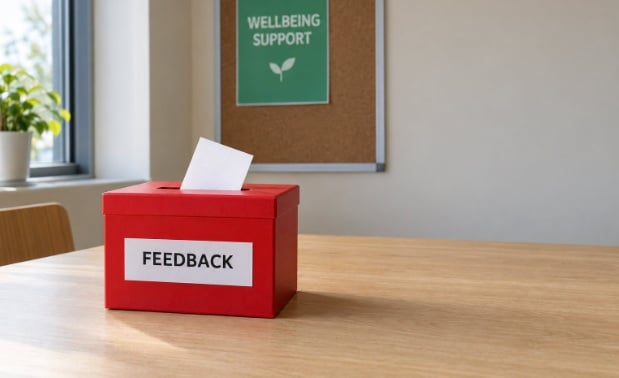
Accountability mechanisms, such as monitoring compliance and obtaining regular feedback from store teams, ensure that mental health initiatives are more than box-ticking exercises. Pulse checks, tracking staff engagement, and gathering qualitative input from employees help identify ongoing gaps and opportunities for improvement. These steps allow retailers to adapt quickly, helping to ensure their mental health commitments truly reach those on the frontline and are embedded into everyday store life.