

More Retail News
![[Interview] A day in the life... Veena McCoole of Postcode Pours](https://www.theretailbulletin.com/wp-content/uploads/2024/05/Postcode-Pours.png)
[Interview] A day in the life... Veena McCoole of Postcode Pours
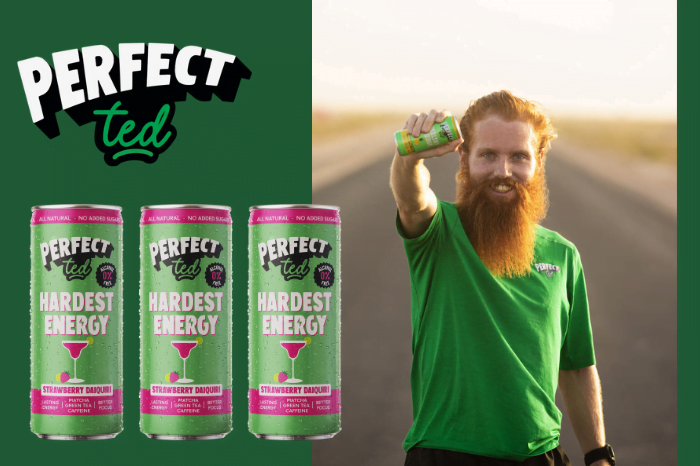
PerfectTed teams up with 'Hardest Geezer' Russ Cook to launch charity-driven energy drink
PerfectTed has announced a collaboration with extreme athlete and social media personality Russ Cook, known as the Hardest Geezer. Together, they have launched a new Strawberry... View ArticleView Article

WiHTL & Diversity in Retail announce impact on 4 million employees in milestone achievement
WiHTL & Diversity in Retail, the premier Collaboration Community focused on enhancing equity, diversity, and inclusion within the Hospitality, Travel, Leisure, and Retail sectors, today celebrated... View ArticleView Article
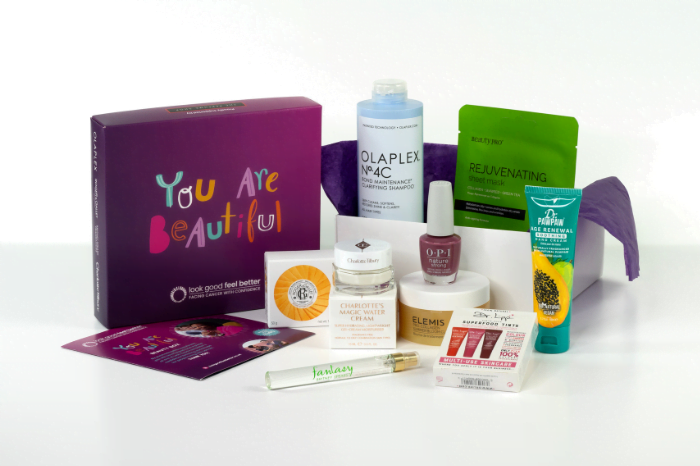
Look Good Feel Better and The Perfume Shop launch charity beauty box
In celebration of their 30th anniversary, the cancer support charity Look Good Feel Better UK has partnered with The Perfume Shop to launch a unique, limited... View ArticleView Article

Asda refinances £3.2 billion of debt
Asda has announced that it has refinanced more than £3.2 billion of its debt. Completed on 2 May, the deal has pushed the majority of the... View ArticleView Article
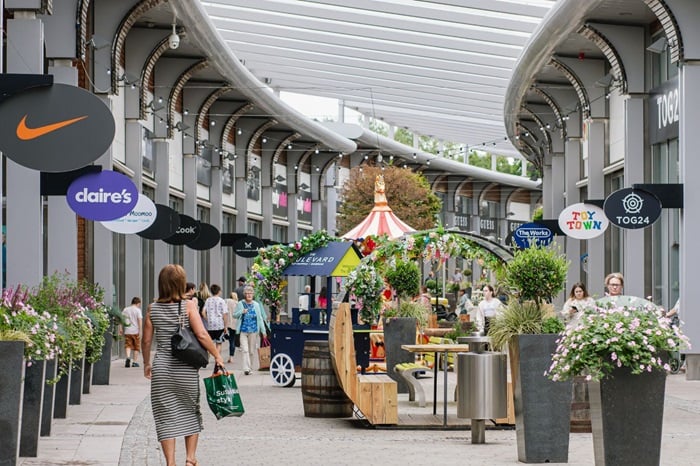
Radley to return to Northern Ireland with store at The Boulevard
Radley is to make a return to Northern Ireland with the opening of a new store at The Boulevard designer outlet scheme. Due to launch on... View ArticleView Article
Pandora ups full year revenue guidance
Pandora has upgraded its full year revenue guidance after its first quarter revenue increased by DKK 1 billion compared to the same period in the previous... View ArticleView Article
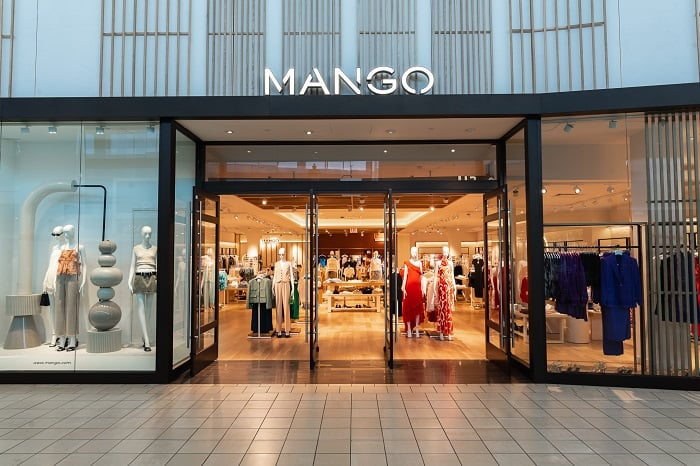
Mango to open more than 20 new stores in the UK this year
Mango is planning to open more than 20 new stores in the UK this year with growth mainly focused on London and Scotland. The Spanish fashion... View ArticleView Article
Asda invests £70 million in cutting prices of essential items
Asda is investing £70 million in cutting the prices on 126 essential items. The supermarket said prices will be reduced by an average of 11%, with... View ArticleView Article
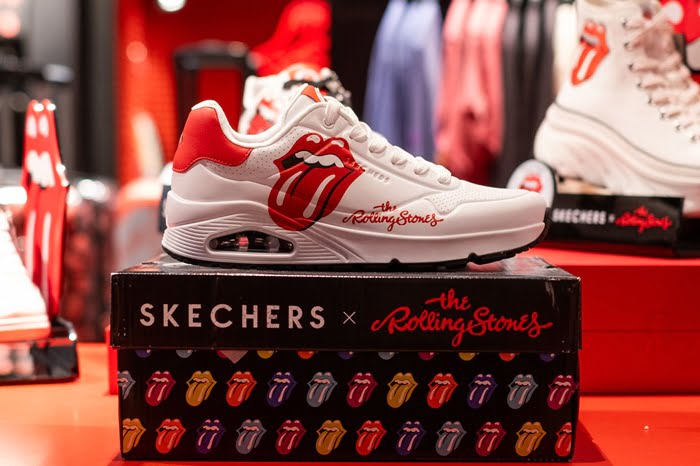
Skechers continues collaboration with the Rolling Stones
Skechers has collaborated with the Rolling Stones for a second year running on a footwear capsule collection. Now available at the Rolling Stones’ flagship store RS... View ArticleView Article
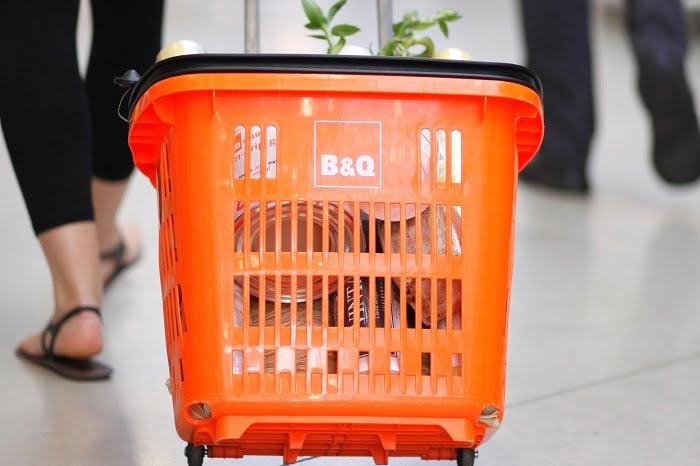
B&Q launches plastic plant pot recycling nationwide
B&Q has announced that it will be launching plastic plant pot recycling stations at over 100 of its stores across the UK in 2024. As part... View ArticleView Article

Burberry joins force with The Outward Bound Trust to inspire young people through adventure
Burberry has announced a partnership with outdoor education charity, The Outward Bound Trust, to give secondary school students across the UK greater access to outdoor learning... View ArticleView Article
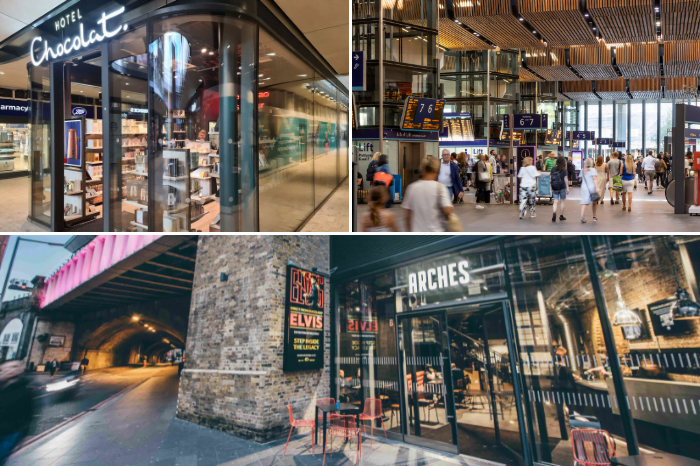
Network Rail retail sales hit £800m as stations become prime retail destinations
Network Rail announced that its retail sales surpassed £800m over the past 12 months across its portfolio of 19 managed stations in Great Britain. The company... View ArticleView Article

eveSleep launches interactive 'Bed battle, team firm vs team soft' experience in London
Online mattress brand eveSleep has today unveiled an innovative pop-up event in London’s Southbank to help consumers determine their ideal mattress firmness. The event, titled ‘Bed... View ArticleView Article
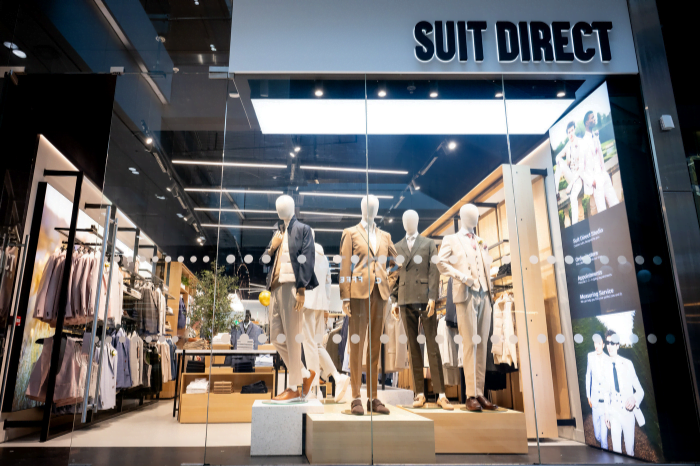
Suit Direct opens new flagship Westfield store as part of national expansion plan
Menswear fashion retailer Suit Direct has signed for a new flagship store at Westfield Shopping Centre, Stratford, London. International real estate advisor Savills, acting on behalf... View ArticleView Article
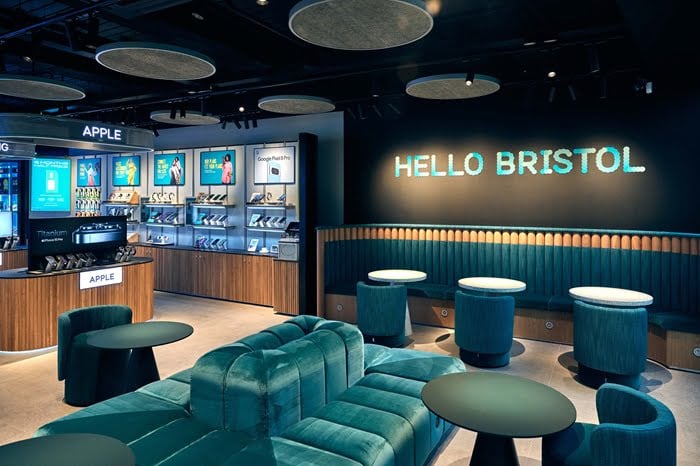
EE launches first Experience store in the South West
EE is launching its first Experience store in the South West of England at Bristol’s Cabot Circus. Part of a £6 million investment, the new shop... View ArticleView Article
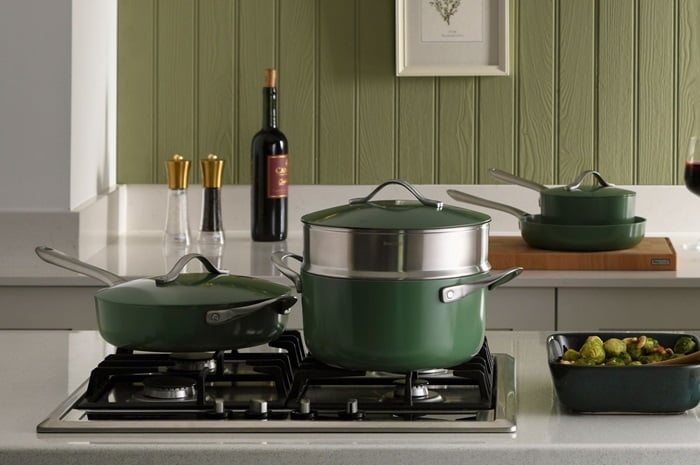
Meg Lustman to join ProCook as a non-executive director
Kitchenware brand ProCook has appointed Meg Lustman, the former chief executive of Hobbs, as a non-executive director. She will take up her new position on 25... View ArticleView Article
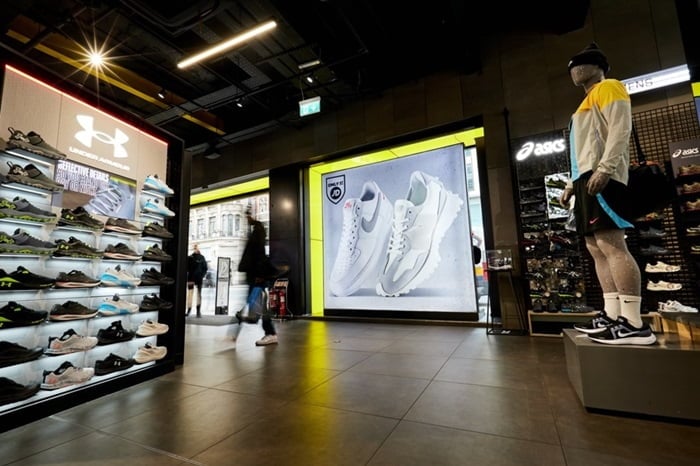
JD Sports non-executive director to step down
JD Sports has announced that its non-executive director Mahbobeh Sabetnia is to step down after being a member of its board for nearly two and a... View ArticleView Article

Waitrose launches exclusive Wildfarmed nature-friendly bread range
Waitrose has become the first retailer to partner with the Wildfarmed regenerative farming and food business as it launches a range of exclusive branded bread products... View ArticleView Article
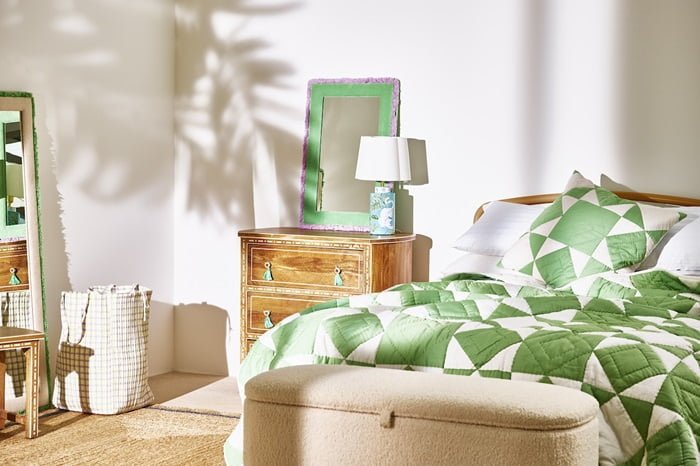
Oliver Bonas selects Angel Central for new Islington store
Lifestyle brand Oliver Bonas has selected Angel Central for the opening of a new store in London’s Islington. The 2,856 square foot space has been designed... View ArticleView Article
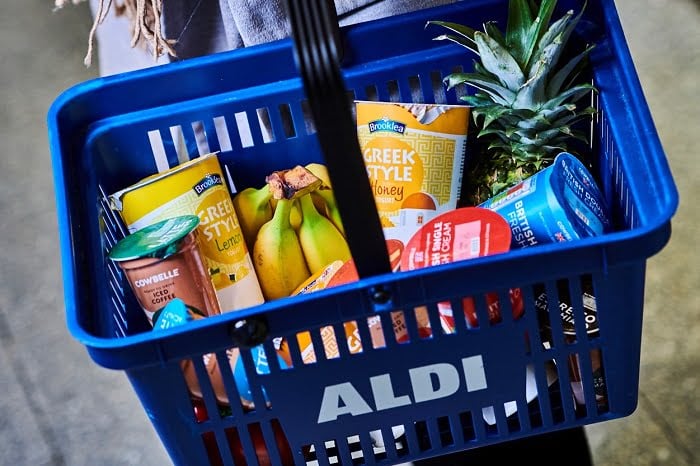
Aldi invites the public to help it identify locations for new stores
Aldi is calling on the public to help it identify prime locations for new stores. The areas which have the most suggestions will then be considered... View ArticleView Article
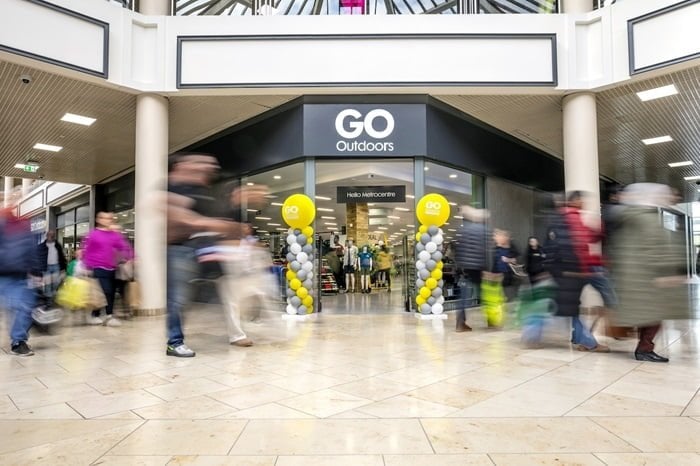
Go Outdoors opens 20,000 square foot store at Metrocentre
The Go Outdoors outdoor clothing and equipment retailer has opened a 20,242 square foot store in a former Wilko unit at Gateshead’s Metrocentre. The shop on... View ArticleView Article
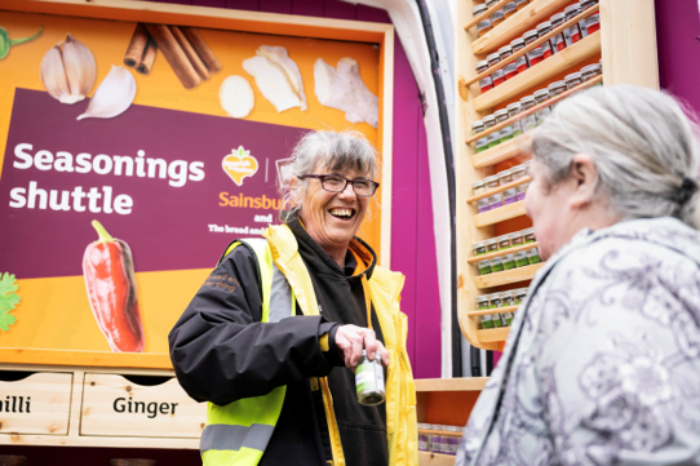
Sainsbury’s launches seasonings shuttle to spice up mealtimes for struggling UK households
New research from Sainsbury’s reveals that half of those struggling to afford food have lost the joy in mealtimes, saying they’re no longer excited by food... View ArticleView Article

Host of brands open revamped stores at Braehead
Braehead, one of the UK’s most popular retail and leisure destinations, owned by property company SGS and asset managed by Global Mutual in conjunction with Savills... View ArticleView Article
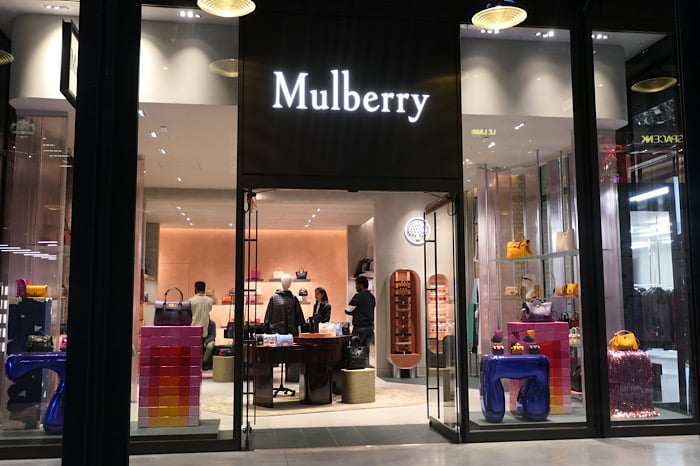
Mulberry sales hit by luxury downturn
Mulberry has announced that its full year group revenue has declined by 4% due to consumers cutting back on luxury spending. In a year-end trading update... View ArticleView Article
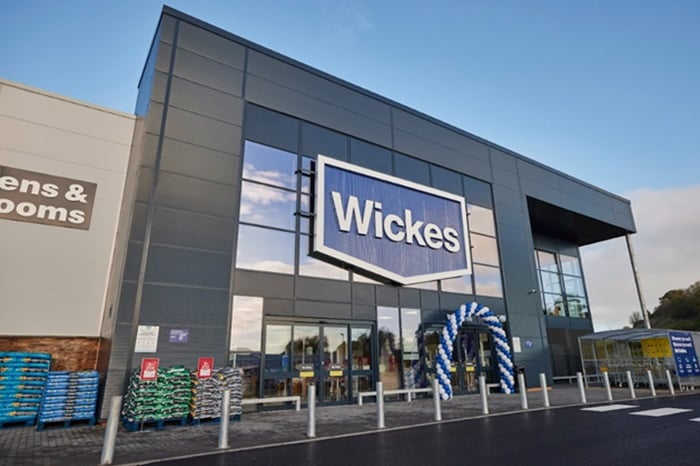
Wickes maintains full year profit guidance despite drop in sales
Home improvement retailer Wickes has maintained its full year profit guidance despite it posting a 4.2% decrease in like-for-like sales in the first 16 weeks. Retail... View ArticleView Article
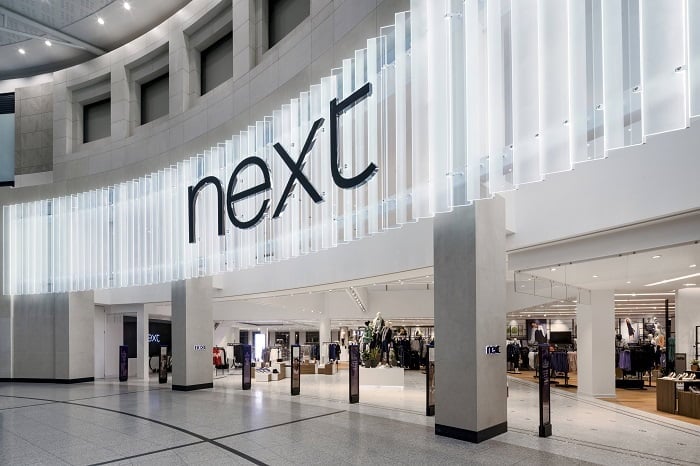
Next first quarter sales come in ahead of expectations
Next has announced that its full price sales have come in ahead of guidance in the 13 weeks to 27 April with a 5.7% increase year-on-year.... View ArticleView Article
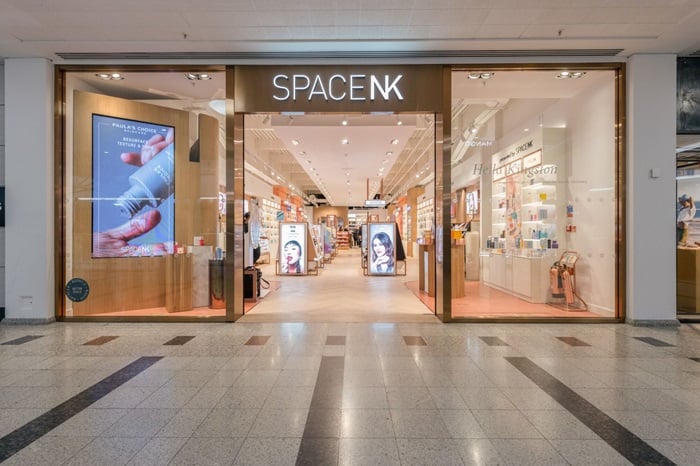
Space NK chooses Trafford Centre for second location in Manchester
Space NK is to open a second location in Manchester at Trafford Centre this summer. The 2,400 square foot shop on Lower Peel Avenue will feature... View ArticleView Article

Tesco Media & Insight Platform makes two key appointments to drive growth with agencies
The Tesco Media & Insight Platform has made two key appointments to support growing demand from agencies for the delivery of retail media campaigns. Currently head... View ArticleView Article
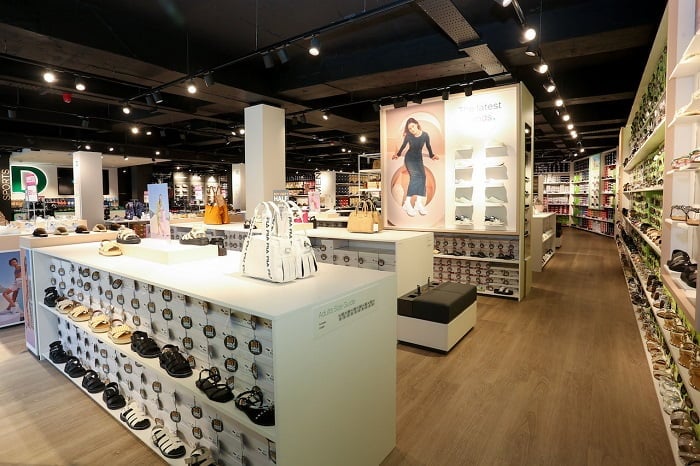
Deichmann to open first store in Northern Ireland
Footwear retailer Deichmann will be opening its first store in Northern Ireland this weekend. The 784 square metre shop will launch at Belfast’s The Keep in... View ArticleView Article

Retail Technology Show review – focusing on proven technologies
There was plenty of realism in evidence at the recent Retail Technology Show at London’s Olympia as many retailers revealed their focus was on building-out solutions... View ArticleView Article
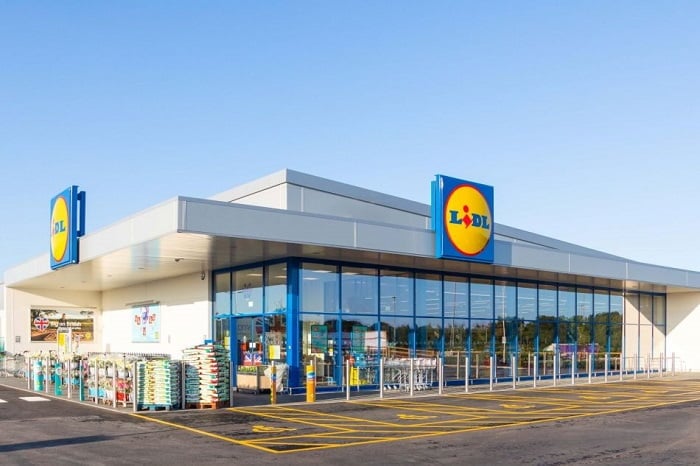
Lidl sets sights on "hundreds" of new UK store openings
Lidl has announced plans to open “hundreds” of new UK stores and to create thousands of jobs as it looks to reach more households across the... View ArticleView Article

L'Occitane set to go private
The owner of the L’Occitane skincare brand has offered to take the company private in a deal that gives it an enterprise value of €6.4 billion.... View ArticleView Article
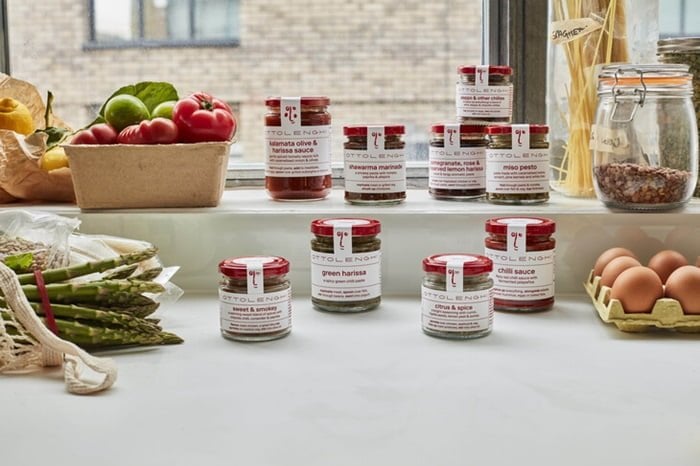
Waitrose launches an exclusive range of Ottolenghi products
Waitrose has launched an exclusive range of Ottolenghi products in its shops and online. The move marks a supermarket first for the Ottolenghi brand. Created by... View ArticleView Article
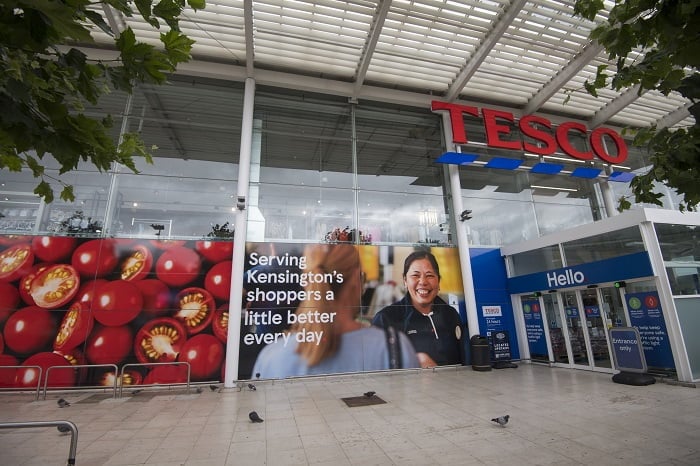
Tesco launches personalised Clubcard Challenges
Tesco Clubcard holders will have the chance to collect up to £50 worth of points by taking part in the supermarket’s new AI-powered Clubcard Challenges promotion.... View ArticleView Article

Moss to join line-up at Gloucester Quays
Menswear brand Moss is to open a new store at the Gloucester Quays outlet destination. Due to launch on 4 May, the 1,948 square foot space will... View ArticleView Article

Gymshark appoints Hannah Mercer as its first GM for Wholesale and Retail
Gymshark, the fitness community and apparel brand, today announces the appointment of Hannah Mercer to the newly created role of General Manager, Wholesale and Retail. Hannah... View ArticleView Article
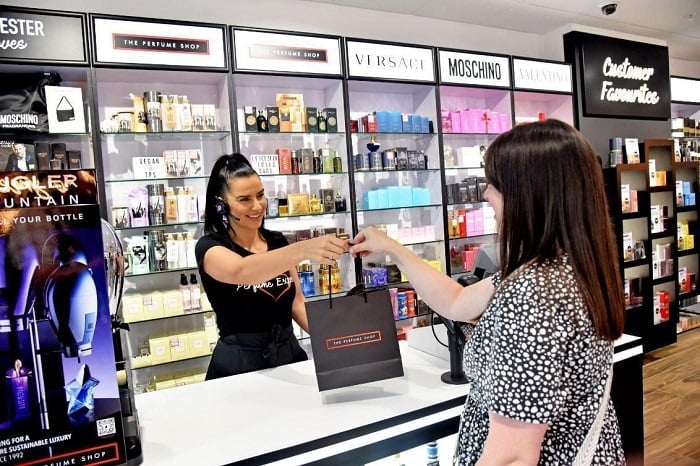
The Perfume Shop receives scent-sational new addition with experiential store in Telford
The Perfume Shop has had a scent-sational new addition as it opens the doors to another new and improved experiential store at Telford Shopping Centre, Telford... View ArticleView Article

Making the workplace inclusive for autistic employees
April marks Autism Acceptance Month, a pivotal time to amplify awareness, understanding, and inclusion for autistic individuals. Autism Acceptance Month exists to celebrate the positive contributions... View ArticleView Article

BP announces changes to UK retail leadership team
BP has made some changes to its UK retail leadership team with the appointment of Jo Hayward as VP mobility & convenience retail and Natalie Cattermole... View ArticleView Article

N Brown chair to step down
N Brown has announced that its chairman Ron McMillan will be retiring and stepping down from its board on 30 April due to personal reasons. The... View ArticleView Article

Ultimate Products announces chair succession plan
Ultimate Products, the owner of homeware brands Salter and Beldray, has announced that Jim McCarthy has notified its board of his intention to step down as... View ArticleView Article

L Catterton acquires majority stake in KIKO Milano
L Catterton, the global consumer-focused investment firm, has agreed to acquire a majority stake in the KIKO Milano Italian beauty brand. While terms of the transaction have... View ArticleView Article
Lidl announces £500 million investment into British pork
Lidl is investing £500 million into the British pork sector as it looks to help address the challenges faced by the industry. The supermarket said the... View ArticleView Article

New leasing directors appointed for Victoria Leeds and The Liberty Romford
Shopping centre owner and operator Redical has appointed Rachel Bradburn as leasing director for Victoria Leeds and Oliver Lloyd to the same role for The Liberty... View ArticleView Article

One Stop launch Love Heart pin badges to support Alzheimer’s Society
One Stop has teamed up with Swizzels to create six Love Hearts pin badges, all to raise money for their charity partner, Alzheimer’s Society. Customers can get... View ArticleView Article

Sue Ryder's Chelsea window challenge: A blooming tribute to the grieving
As gardening enthusiasts prepare for the prestigious RHS Chelsea Flower Show, Sue Ryder, a leading bereavement support charity in the UK, is set to launch a... View ArticleView Article

Giles Smith, luxury retail leader from Burberry to Selfridges appointed as Judge
We are delighted to announce that Giles Smith, whose foundational leadership at Burberry marked the beginning of a distinguished career in luxury retail technology, has joined... View ArticleView Article
![[Responsible Business] New flexible working laws: your questions answered](https://www.theretailbulletin.com/wp-content/uploads/2024/02/DEI-Irwin-Mitchell-1.png)
[Responsible Business] New flexible working laws: your questions answered
On 6 April 2024, new rules on flexible working came into effect. Thanks to Irwin Mitchell who below answer some of your key questions on the... View ArticleView Article

How can HR monitor retail workers’ mental health?
Mental health at the workplace is increasingly being viewed as a key aspect of the overall wellbeing and success of employees and organisations. In the retail... View ArticleView Article
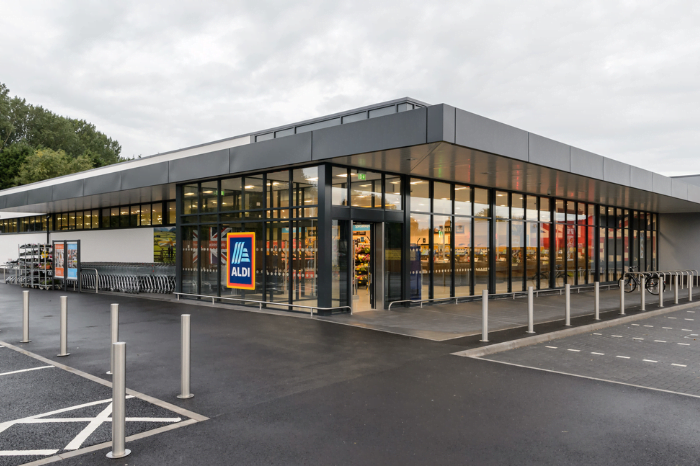
Aldi signs up to Portman Group's Code of Practice
Aldi has become the latest retailer to sign up to The Portman Group’s Code of Practice, which promotes the responsible marketing and retailing of alcoholic products.... View ArticleView Article

Consumer confidence edges up in April
UK consumer confidence has increased in April as people feel more positive about their personal finances. GfK’s Consumer Confidence Index has risen by two points to... View ArticleView Article

Nespresso UK commits £1 million to support homelessness relief
Nespresso UK has committed £1 million to support homelessness relief through its partnership with social enterprise, Change Please. The move will see the company help Change... View ArticleView Article
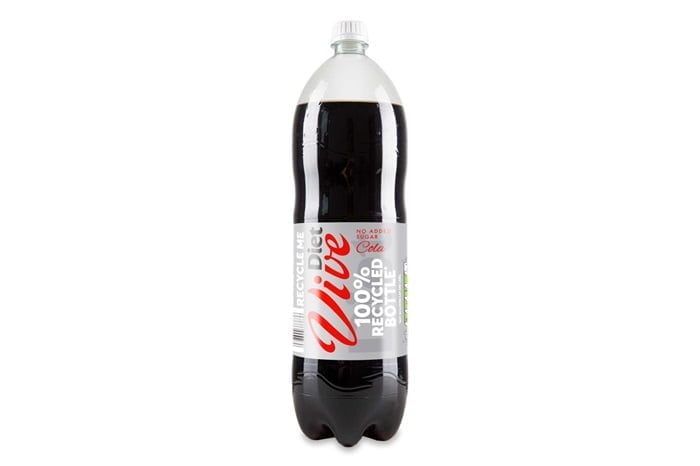
Aldi moves to 100% recycled plastic on soft drink and water bottles
Aldi has moved to 100% recycled plastic for its own-brand soft drinks and bottled water. The new material is being rolled out across all products found... View ArticleView Article
Deckers promotes Marco Ellerker to president of global marketplace
Deckers Brands has promoted Marco Ellerker to the newly created role of president of global marketplace. Due to move to the position on 1 August, Ellerker... View ArticleView Article
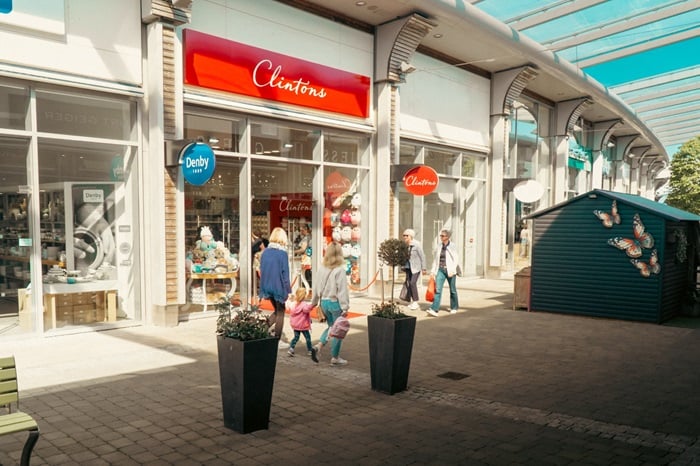
Clintons opens first UK outlet store since new ownership
Clintons has opened an outlet store at The Boulevard, Northern Ireland’s only premier designer outlet. The 1,054 square foot space, which was previously home to Card... View ArticleView Article

Pioneering positive change in Wellbeing & Healthcare through ethical retail practices.
In conversation with Hannah White: Community support at Naturally Tiwa Skincare. In the competitive world of retail, the impact of a brand extends beyond product sales... View ArticleView Article

Crew Clothing announce extended partnership with the LTA
British coastal lifestyle brand, Crew Clothing, today announced the extension of its esteemed partnership with the LTA. Now in the fifth consecutive year of the partnership,... View ArticleView Article

Co-op appoints director of property, development and estates
Co-op has appointed Rachel Hargreaves as director of property, development and estates as it drives forward on its growth ambitions. Hargreaves was previously regional head of... View ArticleView Article
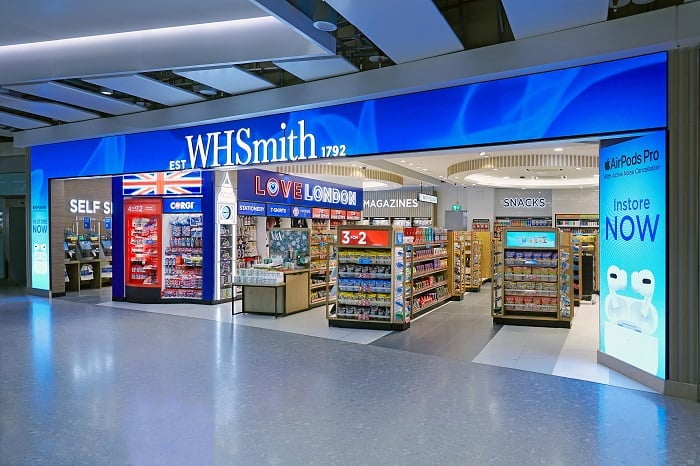
WH Smith hails strong performance of travel business
WH Smith has seen an uplift in half-year sales and profit following a strong performance in its travel division. In the six months to 29 February,... View ArticleView Article
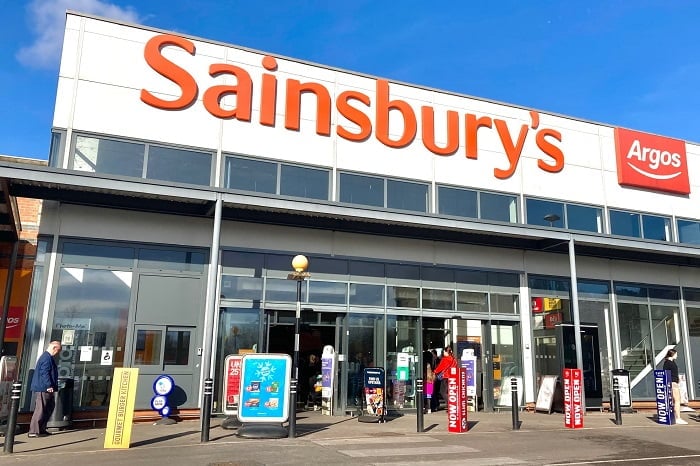
Sainsbury's boosted by strength of grocery performance
Sainsbury’s was boosted by the strength of its grocery performance in the year to 2 March as its food business “fired on all cylinders”. During the... View ArticleView Article
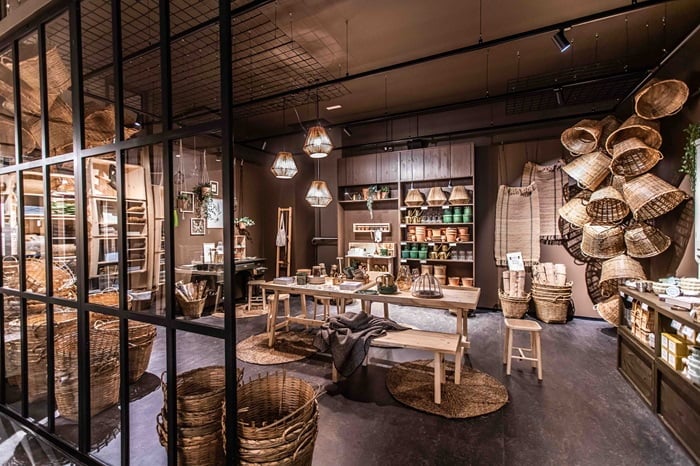
Søstrene Grene set to open second central London store
Søstrene Grene, the Danish homewares and lifestyle brand, is to open a new store in London’s Coal Drops Yard next month. Due to launch on 10... View ArticleView Article
Hornby chairman to step down
The Hornby models and collectibles business has announced that its chairman Lyndon Davies will be stepping down from his role at the end of this month... View ArticleView Article
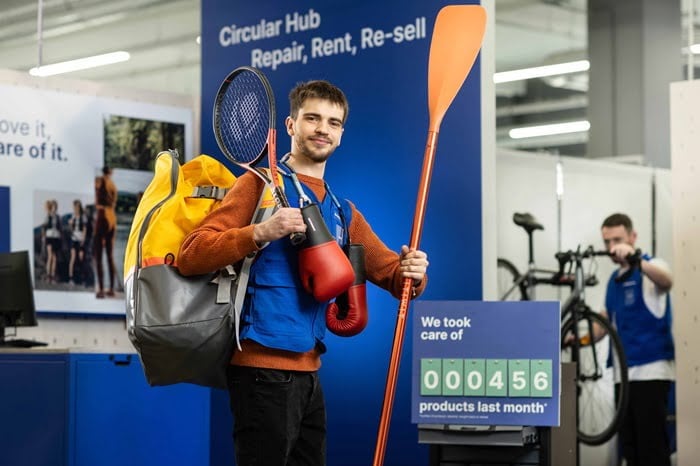
Decathlon expands Buy Back scheme
Decathlon has expanded its Buy Back scheme to more sporting equipment following a successful launch last year. The scheme enables customers to swap old sporting equipment... View ArticleView Article

Gear4music full year performance in line with expectations
Gear4music, the online musical instruments retailer, has delivered a full year performance in line with expectations. In a year-end trading update, the retailer said total sales... View ArticleView Article

World Retail Congress review - recognising change is ongoing
After many years of tumultuous change in the retail sector there is growing evidence that many large organisations have now got a handle on things and... View ArticleView Article

John Lewis executive finance director, Bérangère Michel, to leave the business
The John Lewis Partnership has announced that its executive finance director, Bérangère Michel, is to leave the business later this year. In a statement, the partnership... View ArticleView Article
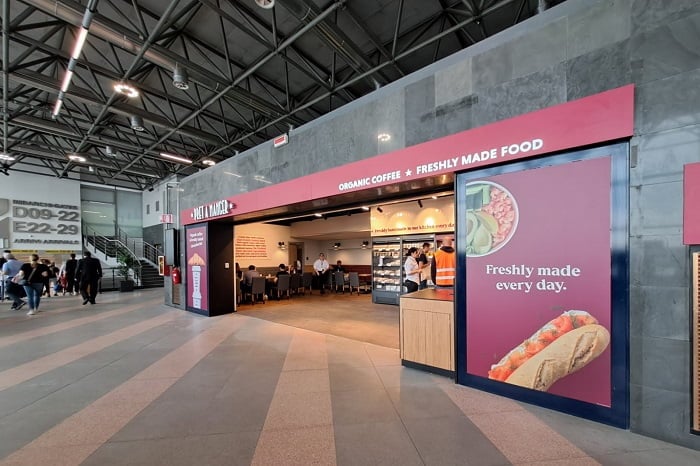
Pret A Manger announces board changes as it ramps up international growth
Pret A Manger has made a series of board changes as it looks ahead to its next phase of international growth. These have included one of... View ArticleView Article
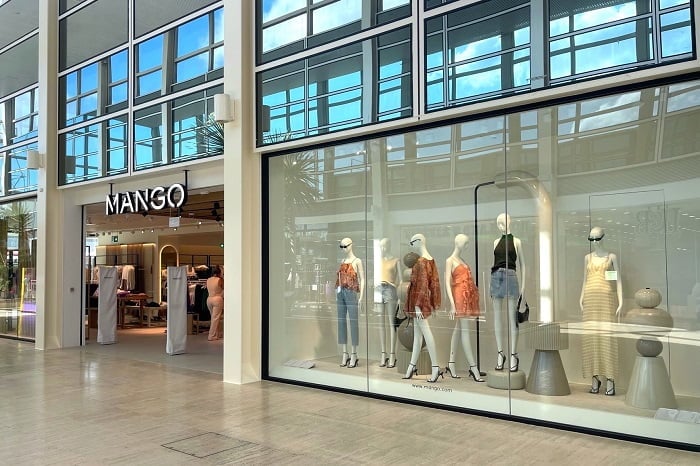
Mango continues US expansion with new east coast stores
Mango is continuing to expand in the US with new east coast openings in Washington and Boston. The news follows the launch of the fashion retailer’s... View ArticleView Article
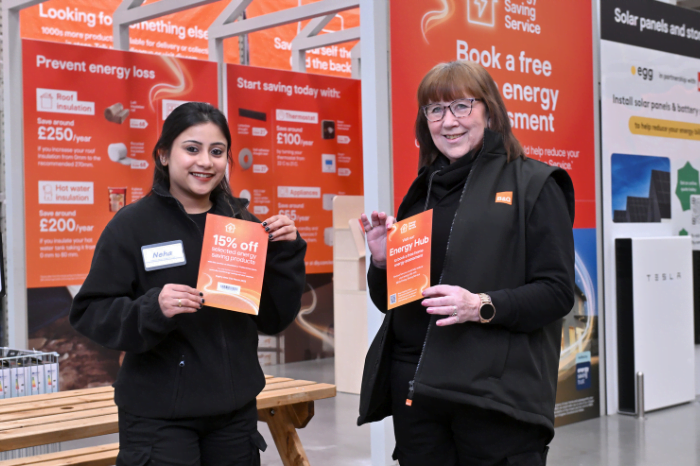
B&Q launches energy saving hubs with the GMCA to boost energy efficiency
B&Q, the home improvement retailer, has launched two in-store Energy Saving Hubs in collaboration with the Greater Manchester Combined Authority (GMCA). The hubs, located at B&Q’s... View ArticleView Article

Clarks celebrates iconic style with inaugural Wallabee Day on April 26th
Clarks are excited to announce the first-ever Wallabee Day to take place every year on 26th April, encouraging its global community of wearers to share their... View ArticleView Article

Microsoft's Olaf Akkerman joins People in Retail Awards judging panel
We’re thrilled to introduce our newest judge for the People in Retail Awards: Olaf, a dynamic leader at the forefront of the UK’s tech industry. Olaf... View ArticleView Article

Dobbies appoints Robert Cook as board advisor for its restaurant business
Garden centre retailer Dobbies has appointed Robert Cook as a board advisor to support the development of its restaurant business. A former chief executive of TGI... View ArticleView Article

The Cotswold Company expands into Northern Ireland
The Cotswold Company has expanded its premium delivery service to customers in Northern Ireland as part of its strategy to strengthen its position in the UK.... View ArticleView Article

Comment: Democratising personalisation
When entering the Salon de Parfums on the sixth floor of Harrods’ Knightsbridge flagship it not only looks pretty good with its polished marble flooring but... View ArticleView Article
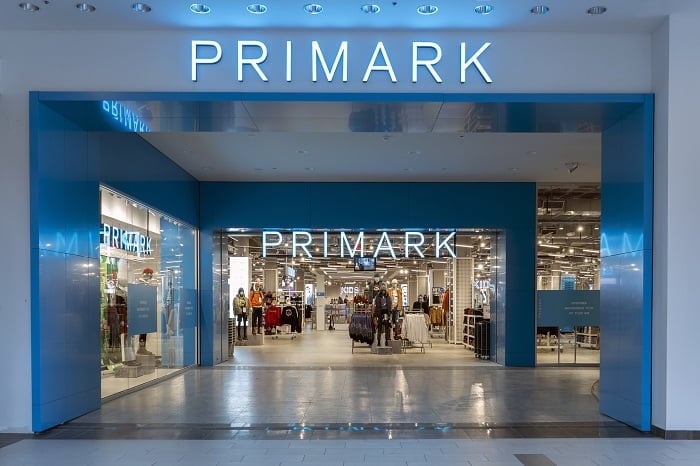
Primark posts strong growth in half year sales and profit
Primark has delivered 7.5% growth in half year sales to £4.5 billion as newly opened stores and last year’s selected price increases offset the impact of... View ArticleView Article
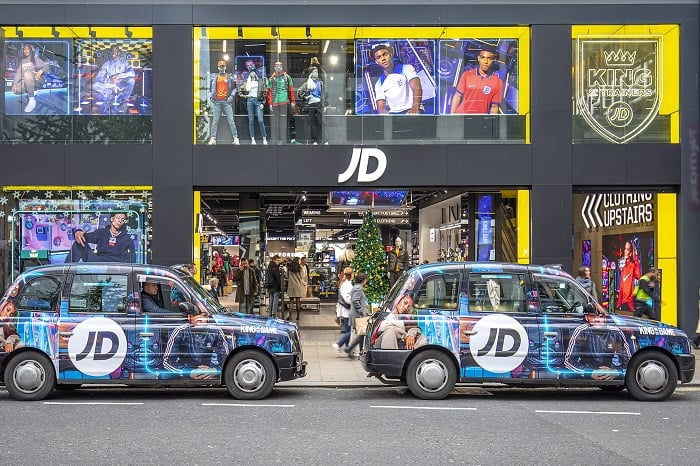
JD Sports to acquire US retailer Hibbett
JD Sports is to acquire the US sports fashion retailer Hibbett for $1.08 billion. With headquarters in Birmingham, Alabama, Hibbett has 1,169 stores in 36 states... View ArticleView Article
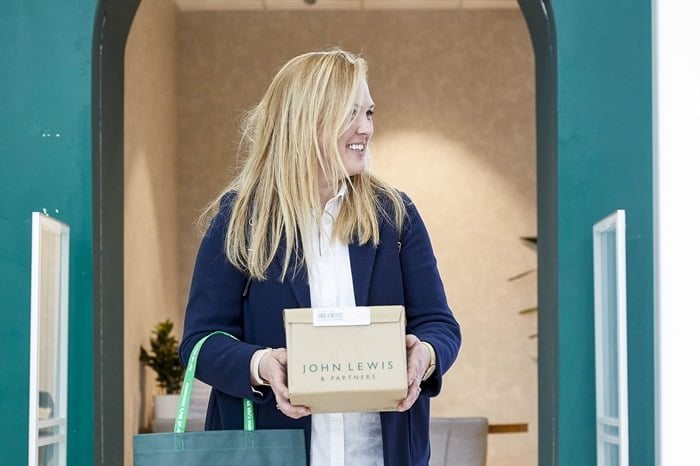
John Lewis joins Canopy Pack4Good initiative
In a partnership with the environmental not-for-profit Canopy, John Lewis has become the largest UK retailer to sign up to the Pack4Good initiative Signatories to the... View ArticleView Article

Understanding the challenges of mental health in retail
In recent years, there has been a surge in raising awareness regarding mental wellbeing and the negative effects of poor mental health conditions on employees’ performance.... View ArticleView Article

Nobody's Child partners with Sojo for a pop-up repair station at Carnaby Street store
Responsible fashion brand, Nobody’s Child, is excited to announce an exclusive pop-up with SOJO repair station in celebration of World Earth Day, on Saturday 27th April... View ArticleView Article

Nudea marks Earth Day with second annual sustainability report
In alignment with Earth Day, Nudea, a pioneering B Corp certified brand, has released its second annual Sustainability Report, showcasing a year of substantial progress towards... View ArticleView Article
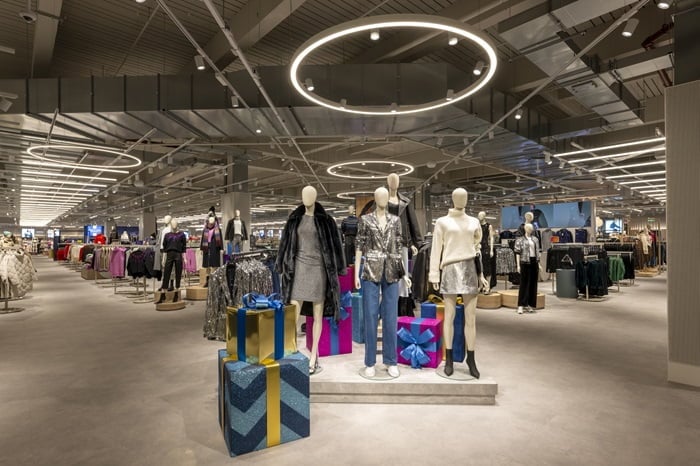
M&S asks public to give pre-loved clothing a second life through trial of free postal donation service
Marks & Spencer has teamed up with Oxfam to help people donate their preloved clothing to the charity through a free postal donation service. The trial... View ArticleView Article
Lidl to open new London store in Fulham
Lidl is continuing its expansion in London with the opening of a new store in Fulham this summer. The supermarket said the shop on North End... View ArticleView Article
Asda sales boosted by popularity of loyalty scheme
Asda has posted a strong uplift in full year sales and profit after it benefited from around six million customers using its rewards app. In the... View ArticleView Article
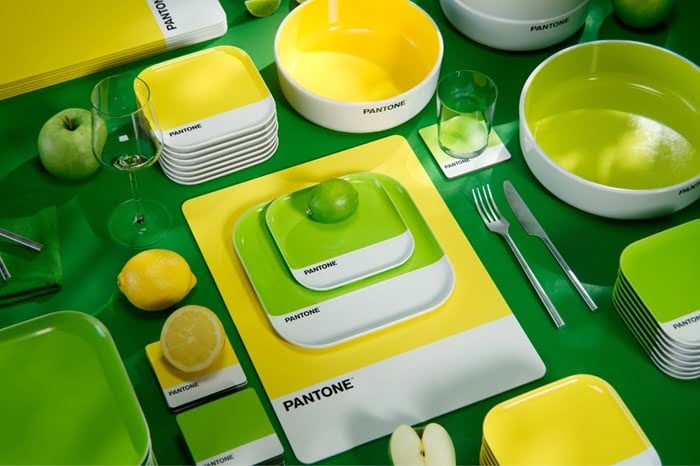
H&M Home teams up with Pantone on second collection
H&M Home is to release a second collaboration with Pantone with a new brightly coloured capsule range. Presenting with the two palettes of Zesty & Fresh... View ArticleView Article
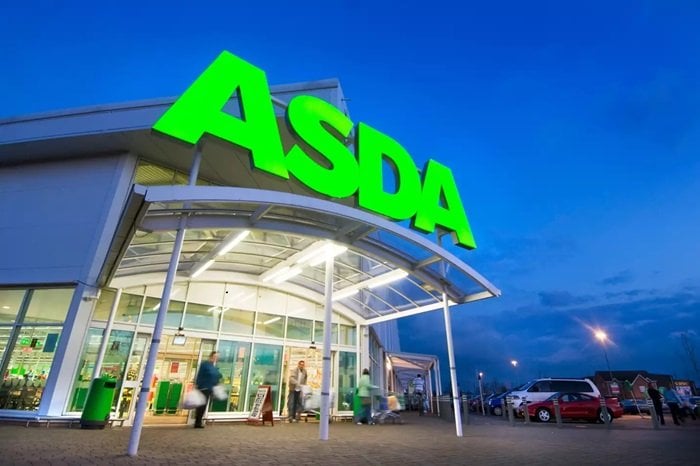
Zuber Issa close to selling stake in Asda
Zuber Issa is close to selling his £500 million stake in Asda to TDR Capital. According to a report by Bloomberg, the billionaire is now in... View ArticleView Article
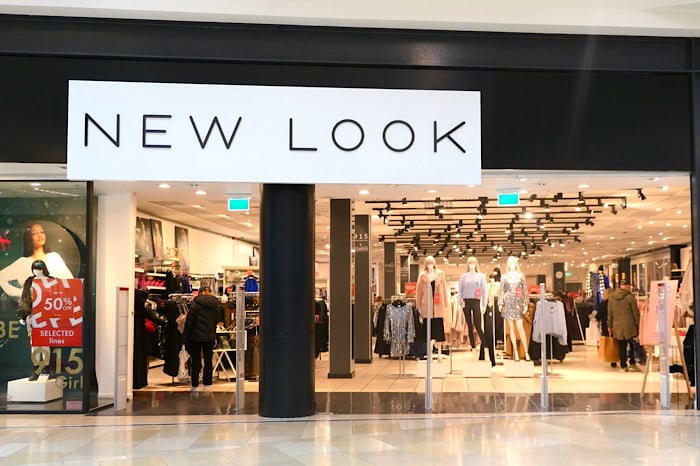
New Look’s emissions targets approved by the SBTi
New Look has received approval for its emissions targets from the Science Based Targets Initiative (SBTi). The fashion retailer has a near-term target to reduce scope... View ArticleView Article

Gloucester Quays hails year of record sales as it begins 15th anniversary birthday celebrations
The Gloucester Quays outlet centre has been boosted by a year of record sales and footfall as it celebrates its 15th anniversary. In the period April... View ArticleView Article

TikTok Shop launches new 'Preowned Luxury' category
TikTok has partnered with five luxury resellers with the launch of the ‘Preowned Luxury’ category on its app. In a release, TikTok said the new offering... View ArticleView Article

The Perfume Shop and the valuable changes the brand is making to the planet
Today, World Earth Day 2024, The Perfume Shop reports its updated initiatives to support saving the environment and planet. These initiatives include the UK’s biggest perfume... View ArticleView Article

Benefit brings back 'Bold is Beautiful' charity-giving scheme
Benefit, the beauty brand renowned for its brow products and retro-glam aesthetic, has announced the return of its ‘Bold is Beautiful’ philanthropy programme this May. As... View ArticleView Article

A third of Brits admit to throwing food away solely based on the best before date
To mark Stop Food Waste Day (24th April 2024), Too Good To Go, the social impact company behind the world’s largest marketplace for surplus food, reveals... View ArticleView Article

Exploring the impactful role of employee recognition in retail
“In the retail sector, the spirit of exceptional service heavily depends on the engagement and enthusiasm of its employees. These individuals are at the frontline of... View ArticleView Article

Blending boundaries: The new era of outdoor fashion and the role of technology
The evolving landscape of outdoor fashion The outdoor fashion industry is rapidly transforming, driven by a societal shift towards health and nature, fueled by the rise... View ArticleView Article
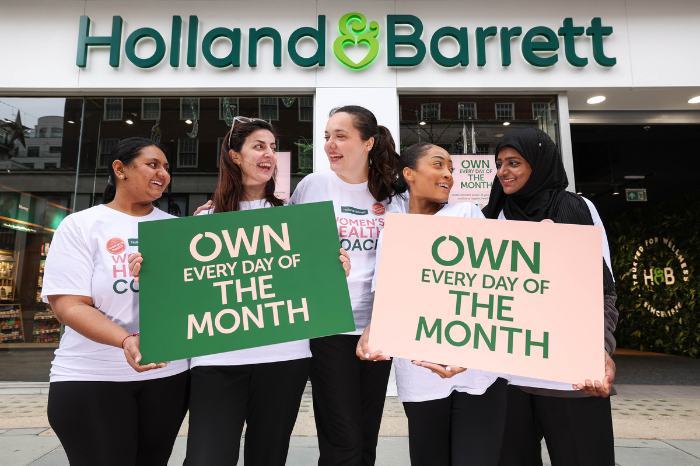
Holland Barrett invest over £4m in women's health
Holland & Barrett, the UK’s leading health and wellness retailer, is investing over £4 million into its women’s health offer, backed by a new three-year Wellness... View ArticleView Article

Fit and Sustainability in Fashion: Batch LDN
Batch LDN, known for its sustainable, luxury casual suits, has teamed up with sizing technology leader Makip. Creating made-to-order, luxury casual suits for men and women,... View ArticleView Article




THE NEXT EVENT